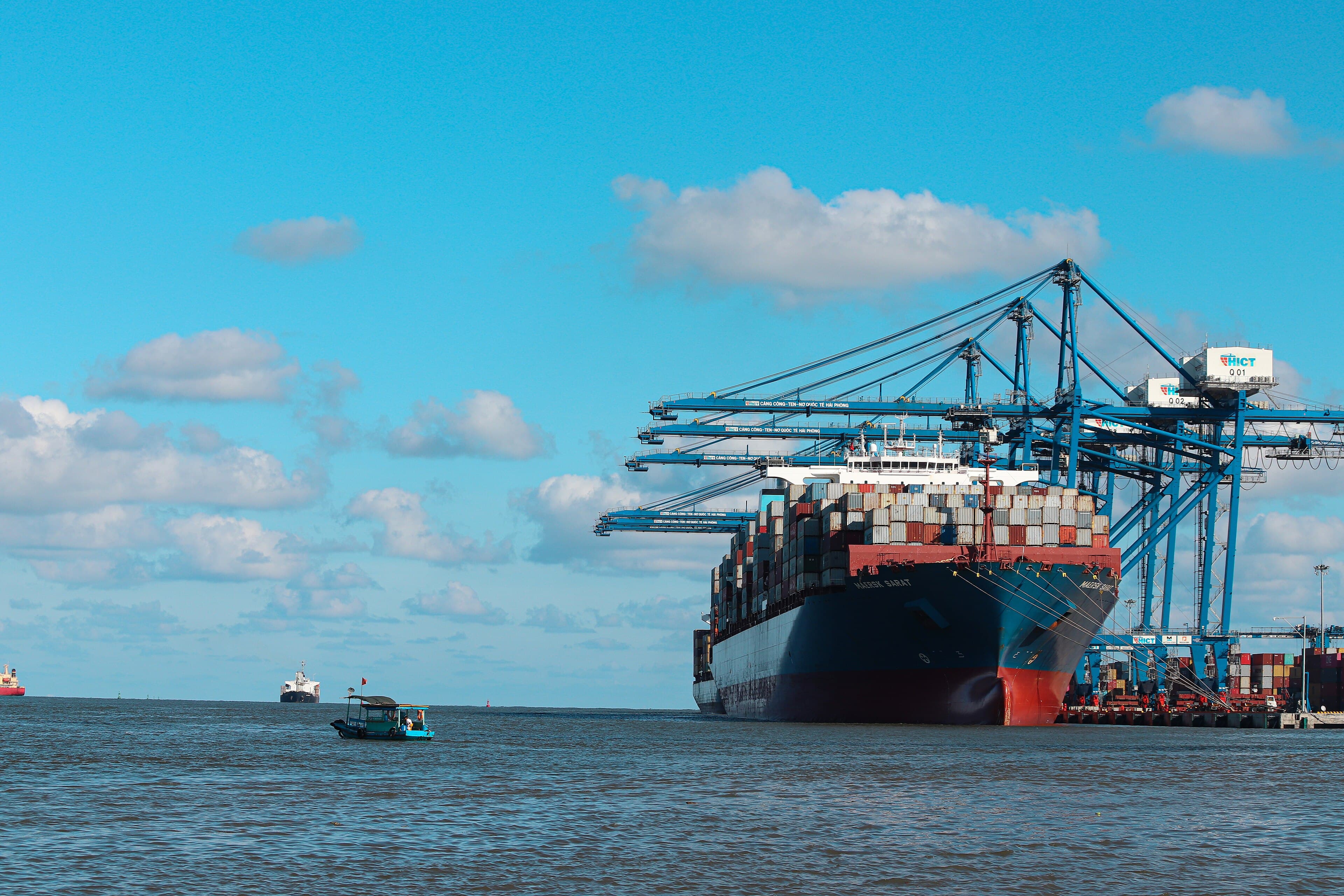
For importers, distributors, wholesalers and retail chains
Trade program
We sell business to business, by the container, against a verified trade account. The account is what turns the open catalogue into prices set against your company, the documents a shipment can travel with and the weights and cube you need to cost a load. It is free to open and commits you to nothing.
Photo: Nathan.cima, CC BY-SA 4.0
Who the program is for
Accounts are opened for registered businesses buying finished branded goods for resale, in mixed 20ft and 40ft containers. What differs between them is who they sell to next, and that is what decides the mix on the load plan rather than the terms of the account.

Importers and distributors
Buying at origin for a domestic market, in mixed container volumes rather than a pallet of one line. You are costing a landed price against duty, freight and the local trade's margin, so the incoterm the offer is written on matters as much as the figure per carton.
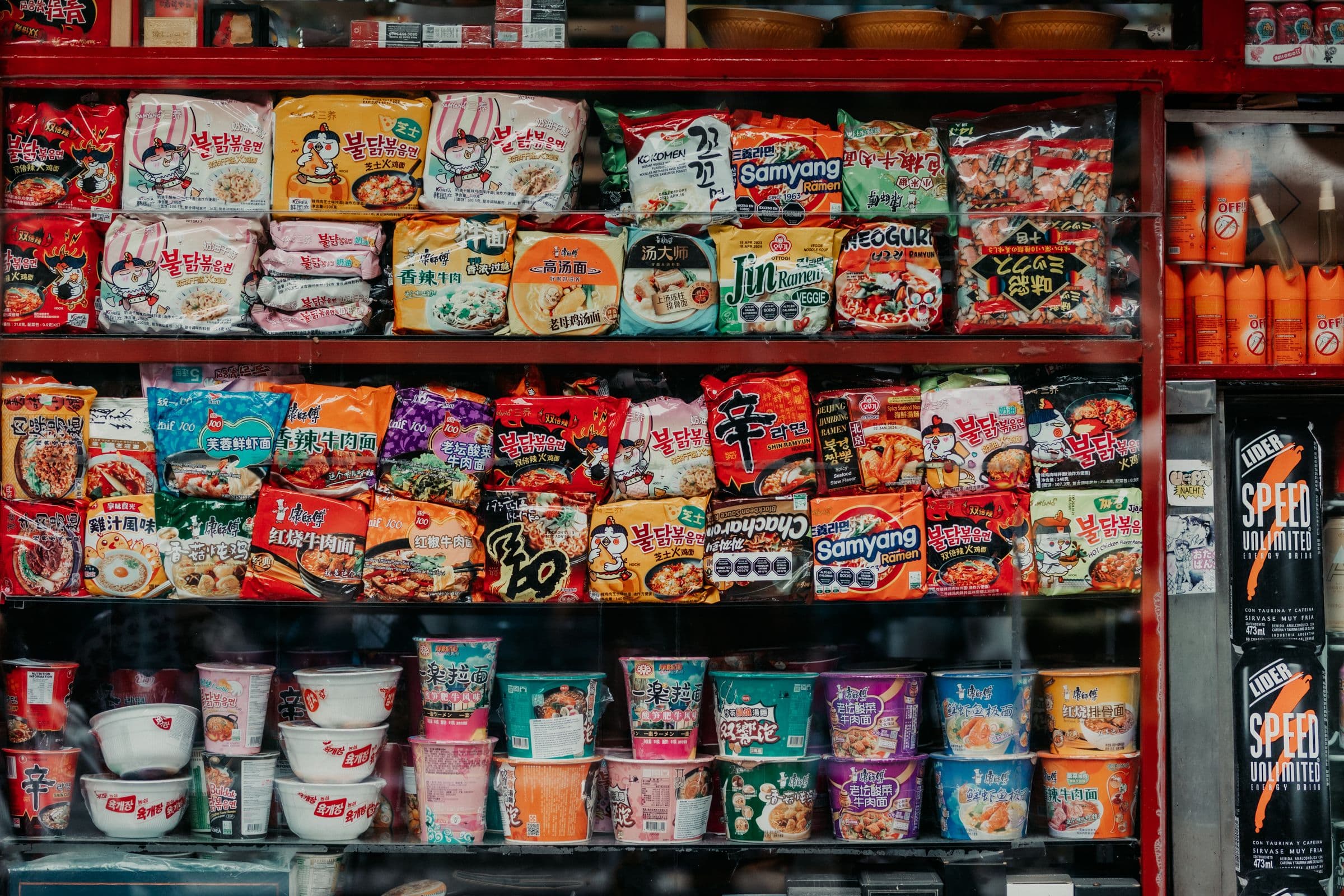
Wholesalers and cash-and-carry
Buying breadth across beverages, confectionery, food, home care and paper and tissue to keep a trade counter stocked. Carton counts and case dimensions decide as much here as the price per unit.
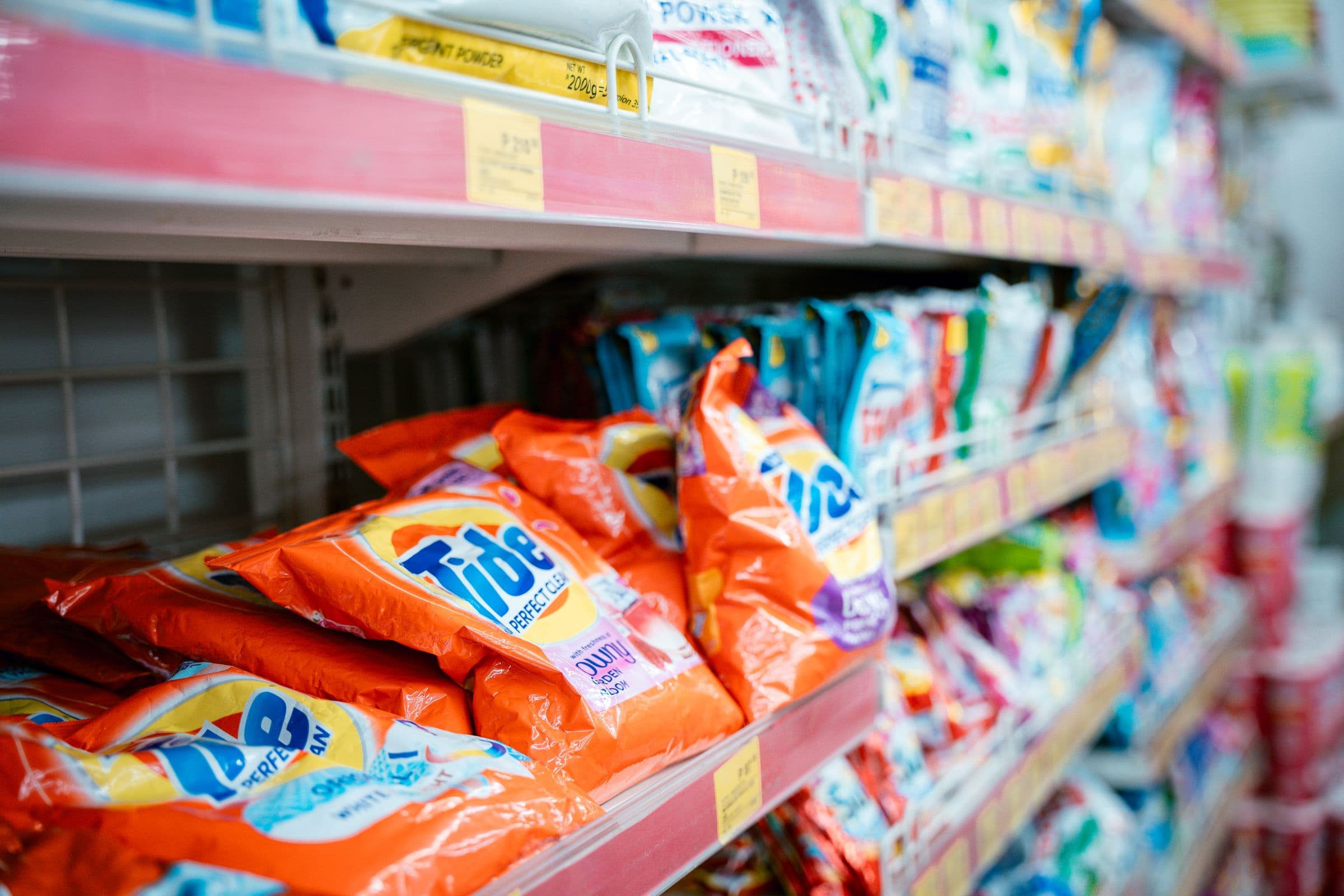
Supermarket and convenience chains
Buying direct rather than through a wholesaler, to a planogram and a shelf date. Labelling for your market and remaining shelf life on arrival usually govern the order.
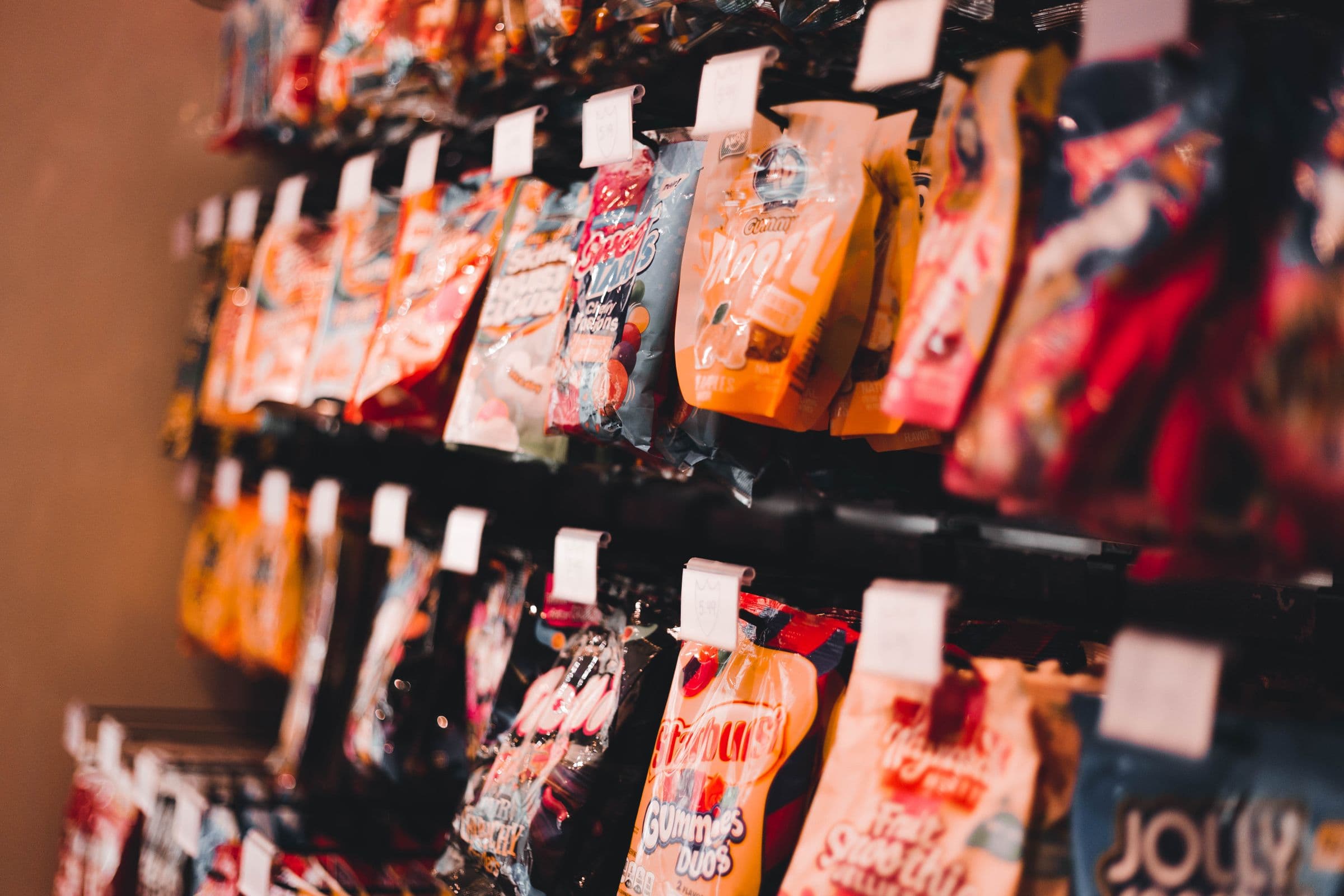
Asian and speciality grocery chains
Stocking Vietnamese and Asian lines for a diaspora customer or a single aisle, where range matters more than depth. Small quantities of many lines is exactly the load a mixed container is built for.
We do not open accounts for consumers, and a retail-sized order is not something we can price, because the goods are bought here by the carton and sold by the container. Registering does not commit you to a container: it commits you to being a business we can identify before a figure is put in front of you. Where we hold an appointment from a brand owner it covers buying inside Vietnam and stops there, so what you are buying is goods rather than territory, and the quality page works through what someone else's appointment in your market exposes you to at your own border.
What the account opens
The catalogue reads without signing in: what a line is, how it is packed and where it was made. Three things sit behind verification, and all three are specific to your company and your destination rather than a general download.
Browse the catalog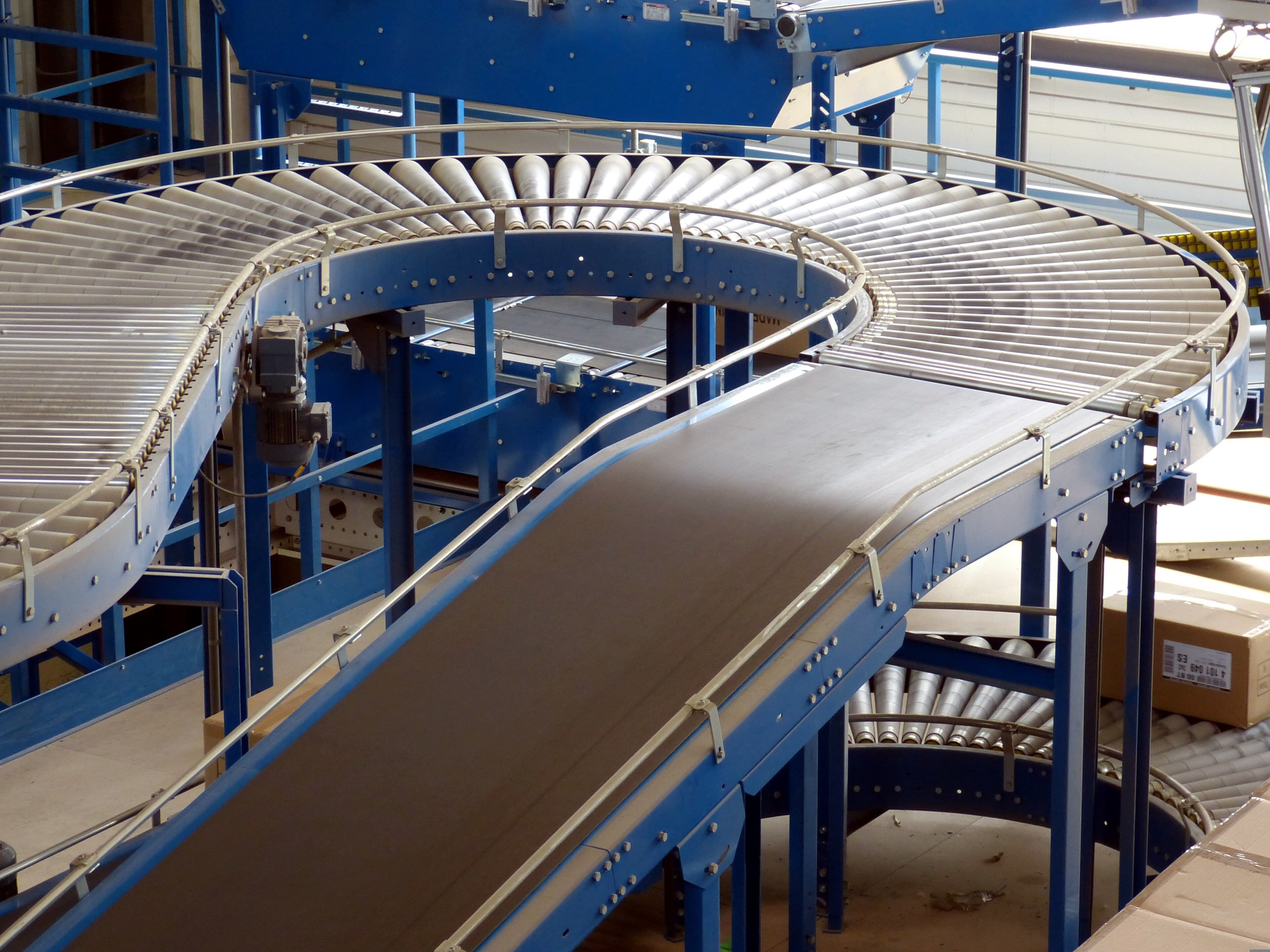
- Prices against your company
- Once an approved account signs in, prices show on the lines we can supply you. Before that the catalogue carries no figure at all, on any line, to anyone.
- The documents a shipment carries
- Which documents a given shipment can travel with, confirmed per SKU and per destination in writing before you order rather than offered as a standing list. The quality page names the four groups a pack falls into; what your market adds to them is settled against your destination.
- Cartons, cube and weight
- What a carton takes up in a 20ft and in a 40ft, and what it weighs, for the lines you are pricing. The product pages do not carry those figures yet, so the desk quotes them against the list you send, as planning figures rather than as a guarantee of what fits.
A full container is the normal unit here. If you want less than one, write to contact@vnfmcg.com: part loads are arranged case by case through the desk rather than through the site.
Commercial terms
Goods are sold ex works from our warehouse or FOB Ho Chi Minh City, with CFR and CIF quoted on request. Payment is by telegraphic transfer or letter of credit, quoted in USD, EUR or GBP. Minimum order quantity is set per SKU, shown against the lines the desk has recorded it for and given by the desk for the rest. Relabelling, private label and any inspection you nominate are quoted separately from the goods rather than folded into a unit price, and the remaining shelf life we commit to at the bill of lading date is named on the offer along with whatever else your destination turns on.
Opening an account
Four steps. The first is yours, the second is ours, and the last two are how a first load gets tested before it becomes a standing order.
- 01
Register the business
Company name, registration or VAT number, trading address, and the categories you buy. It takes a few minutes and costs nothing.
- 02
We verify the account
We check the number you gave against the register that issued it. Nothing further is asked of you unless that check does not resolve.
- 03
Prices appear
Sign in and prices show on the catalogue you have already been reading. Nothing else about it changes.
- 04
First load, then repeat volume
Take a first mixed container, or a part load where one can be arranged, and sell it in your own market. Repeat volume then follows what your own sell-through tells you about the lines.
How buying through the program works
A quotation is written against an order rather than against a catalogue. What a carton costs you turns on the lines you take and how many of each, what has to be printed on them before they load, how much of the container they take up by weight and by cube, and which incoterm the offer is written on. The about page says why we do not publish a figure; this page is about what replaces one. A verified account is how a quotation gets written against your company and your port: the right packing, the right labelling, the right origin documents and a date it expires, instead of a general offer that has to be corrected twice before it can be costed. None of that closes the catalogue, which stays readable whether or not you hold an account; what the account decides is whether a line carries a figure at all.
First orders and sample cartons
A sample carton in this trade is not a formulation test. What it proves is the pack: the artwork as it is actually printed, the language panel, the barcode on the consumer unit and on the shipping carton, and the batch code, production date and best-before date as they read on the goods you would receive. The formulation is the brand owner's rather than ours; we cannot change it and we cannot certify it, so a laboratory result tells you about the plant that made the goods, and where your own registration requires that test a sample carton is what you file it against. That leaves two things a sample is worth ordering for in its own right: confirming you are getting the variant you intend, because the same brand made in two countries is two different products, which the quality page sets out with the example that shows it; and putting something physical in front of your regulator or your customer before a container is booked. What a sample costs and how it travels is settled with the trade desk against what you are asking for. Beyond that, a first load through your own clearance and onto your own shelf tells you more than any carton on a desk.
From quotation to first shipment
A quotation states the lines, the cartons of each, the packing, the incoterm, the origin document each line travels under and a date it expires, and it is the document to compare against another supplier's offer. Accepting it fixes the load plan, which the about page describes, and fixes what else has to happen before the vessel: artwork signed off where the goods are being relabelled, the payment instrument opened where the terms are a letter of credit, and an inspection date set where you are sending an inspector. A certificate your market requires to be issued in Vietnam before the ship sails sits in that same schedule, so it is booked now and not discovered at your port. If anything moves between the offer and the booking, a revised offer is issued and the earlier one lapses, so there is no verbal amendment for either of us to remember. What comes back after loading is the document set for that shipment, and the quality page names the four groups it falls into.
Repeat supply and planning
Availability follows the distributor's own stock position, the brand owner's promotional calendar and when the plant last ran the line, and none of those three is ours to schedule. That is also why we print no lead time: what governs one is when the next delivery reaches the distributor holding the line, and a published figure would be an average of things that do not average. A buyer working to a fixed planogram is better served naming the lines that must never be out of stock than assuming continuous availability across all of them, and naming them before the gap rather than after it, because a substitute agreed in advance, or stock held against your name where that can be arranged at all, is not something anyone can put in place retrospectively. Tell the trade desk which sailing you are working back from and it will say what can be committed for that date and what cannot. Nothing here is a supply guarantee, and the honest planning unit in this trade is the next container rather than the year.
When something goes wrong
The four failures we treat as ours, from a short count to damage caused by the way the box was stuffed, are set out on the quality page with the evidence to send and where risk passes under FOB and CIF, and that is worth settling before you order rather than while a container sits at your port. What the list does not cover is everything after clearance: a line that does not sell, a market someone else was already appointed to, or a regulator who reads your label differently from your consultant. Those are yours commercially, and we would still rather hear about them, because a line that fails in your market is a line we should stop offering into it. Raise either kind with the container number and the packing list line it turns on, because a complaint about the last shipment cannot be traced and a complaint about a numbered carton can. Buyers who would rather not rely on any of this put an inspector of their own on the loading floor before the doors close, at their own cost, and settle the condition of the goods in Vietnam rather than at their port.
Common questions
The ones that come up before a first container, answered here rather than held back for a call.
Does a trade account cost anything?
No. Registering is free, and the account carries no annual fee and no obligation to order. What it does not change is the size of the trade: we sell by the container, and part loads are arranged case by case through the trade desk. The account exists so that a quotation can be written against your company and your port instead of against nobody in particular.
What do you check when you verify an account?
We check that the business exists and that it trades in the sector it states, against the registration or VAT number you give us. Where that check does not resolve, we write and ask rather than rejecting the application quietly or leaving it open indefinitely. We do not print a turnaround time, because the check runs against a different register in every market we take applications from and an average of those would be a number you could not plan on; an application we cannot tie to a trading business is not approved.
What is the minimum order?
Minimum order quantity is set per SKU, because a carton of energy drink and a carton of toothpaste do not move in the same quantity; where a line does not yet carry a figure in the catalogue, the trade desk gives it for the lines you ask about. What that means on a mixed load is that the minimum bites per line rather than per container: the constraint is how many cartons of each line you have to take, not how many lines you can put in the box. The question worth putting to the desk is which of the lines you want carry a minimum too large for a first load, and what to put in their place.
How does a mixed container work?
You name the lines and the cartons of each, and the trade desk builds one load plan from them; the box then travels as one shipment on one set of documents, whatever the line count. There is no maximum number of lines fixed in advance: what limits a load is the minimum order on each line and the point at which the box reaches weight or cube, and the about page works that arithmetic through. Send the desk your destination and a first list, including the lines you are unsure about, because the useful part of that conversation is which of them to drop for something that fills the box better.
Do you offer relabelling or private label?
Yes to both, and each is quoted as a separate line on the offer rather than absorbed into the price of the goods; the about page sets out what each one is. What matters at the ordering stage is timing and sign-off: relabelling is priced against the artwork you approve and has to be settled before the loading slot, because a label applied after the doors close means stripping a container. Private label runs on its own schedule, since the goods are produced for you rather than drawn from stock, and the trade desk will tell you what that schedule looks like for the product you have in mind before you commit to it.