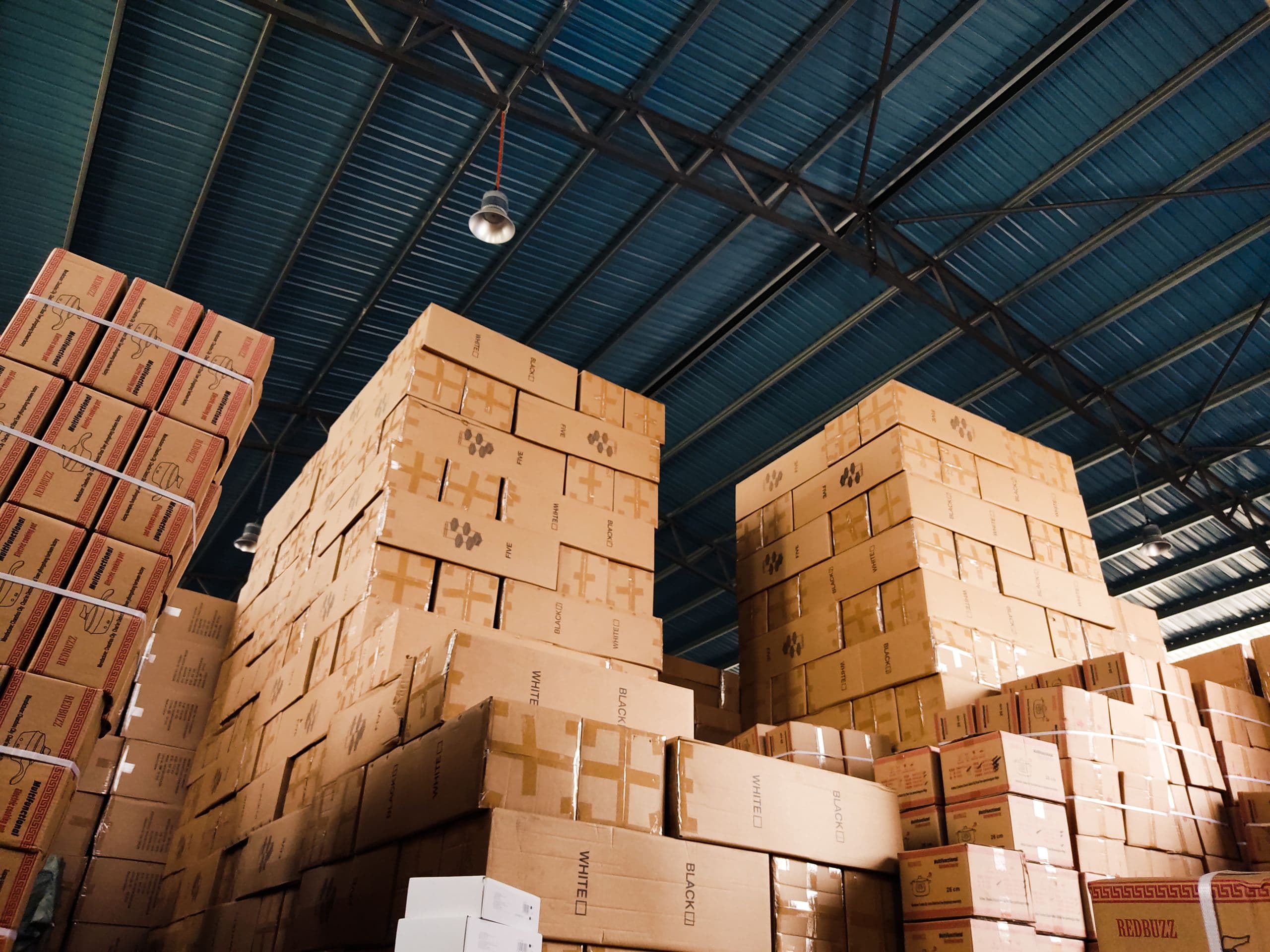
Vietnamese-made FMCG brands, consolidated by the container.
Red Bull, Oreo, Colgate, Chupa Chups and more: global brands manufactured in Vietnam, consolidated into 20ft and 40ft containers and shipped direct to importers, alongside a minority of lines made elsewhere in Asia. Sign in to your trade account for pricing, packing specs and documents.
Scroll to contentWhy buy through us?
Because what you order is what clears customs at the other end, and because the figures you need to cost a load come back against the lines you name rather than after a negotiation.
Request a quote- The numbers you cost a load from, against the lines you name
- Pack size, SKU, HS code, minimum order quantity and country of manufacture sit on every product page, and the desk gives you cartons per 20ft and per 40ft, cube and gross weight against the lines you are costing.
- Made in Vietnam, not transhipped
- Most of what we ship is manufactured in Vietnam by the brand owner and declared as ordinary export. A minority of lines are made elsewhere in Asia; each SKU declares its own country of manufacture on its product page, and the certificate of origin follows that rather than the container.
- You need not fill a container with one line
- Beverages, confectionery, food, personal care, home care and tissue combine into a single 20ft or 40ft, so a first order can be a trial of ten lines instead of a bet on one.
- Duty relief where it exists, and a straight answer where it does not
- Where Vietnam has an agreement with your market, the preferential certificate of origin travels with the shipment and cuts what you pay on arrival. Where it has none, and for much of Africa, the Pacific and the Gulf it has none, we say so before you book rather than let you plan around relief that was never there.
Browse by category
Six aisles covering what moves out of Vietnam by the container: drinks, confectionery, packaged food, personal care, home care and tissue. Global brands, mostly made here, mixed into one 20ft or 40ft.

Personal Care
Toothpaste, toothbrushes, shampoo, soap, deodorant, razors and feminine and baby care from global brands made in Vietnam.
Explore Personal Care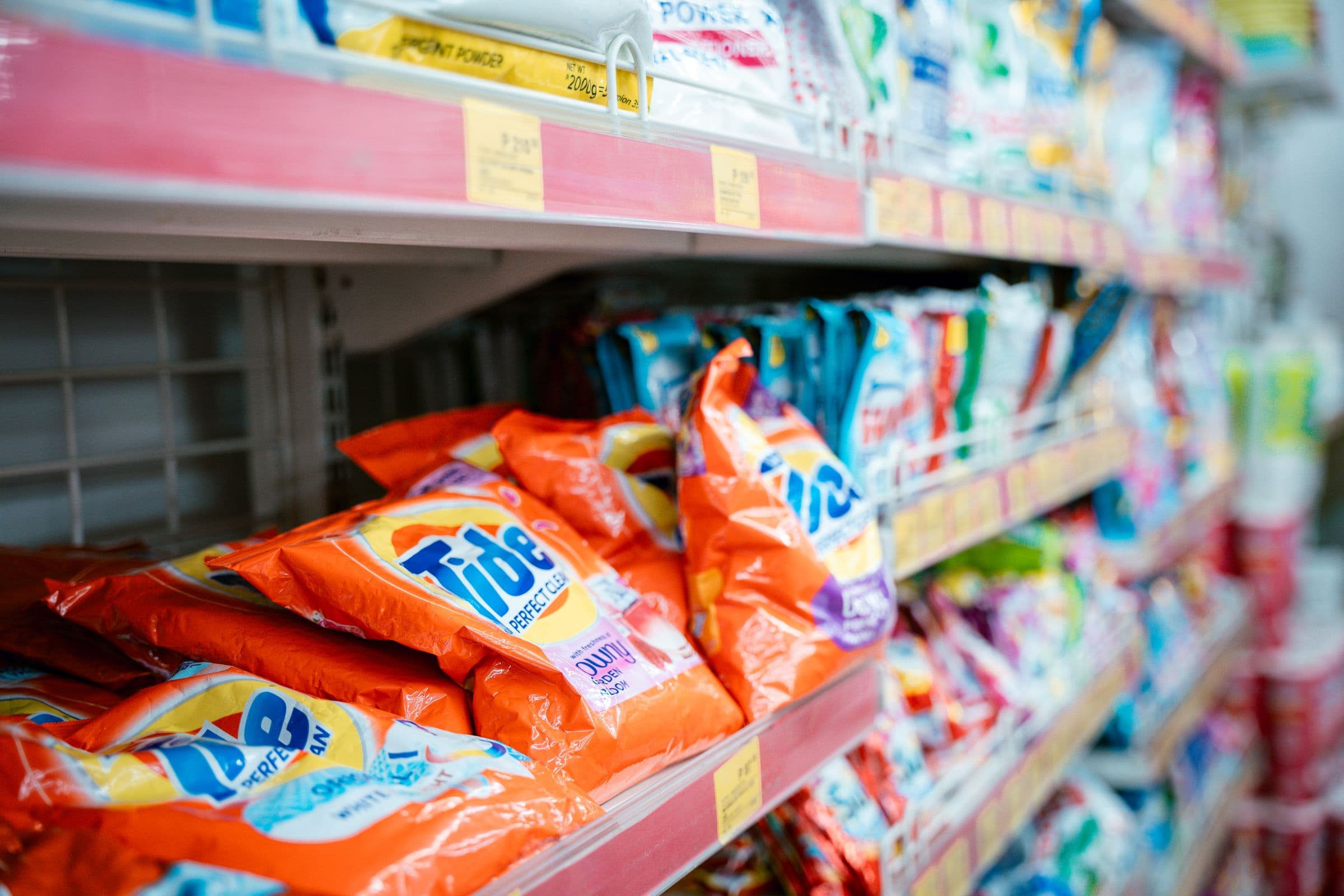 Home Care
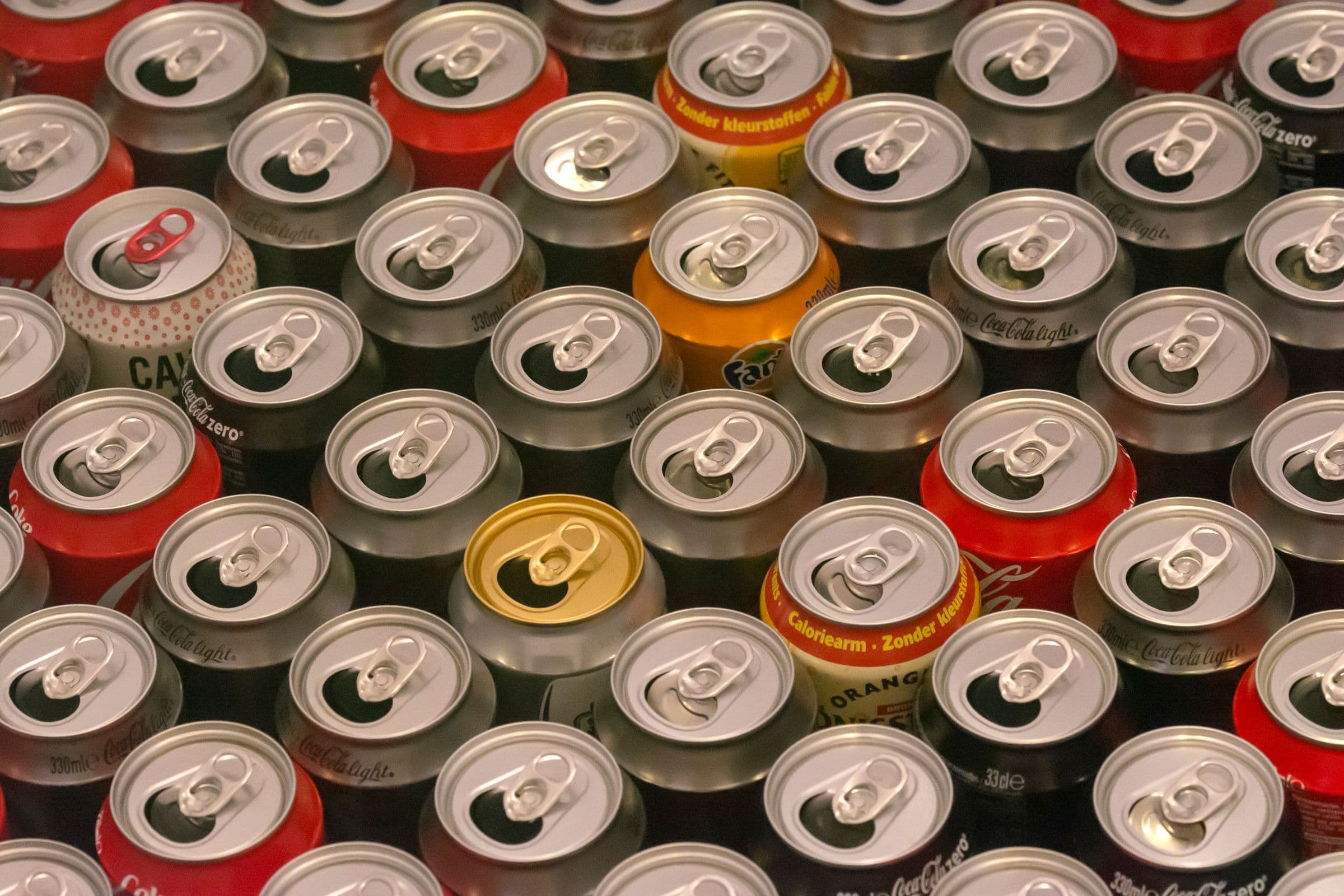 Beverages
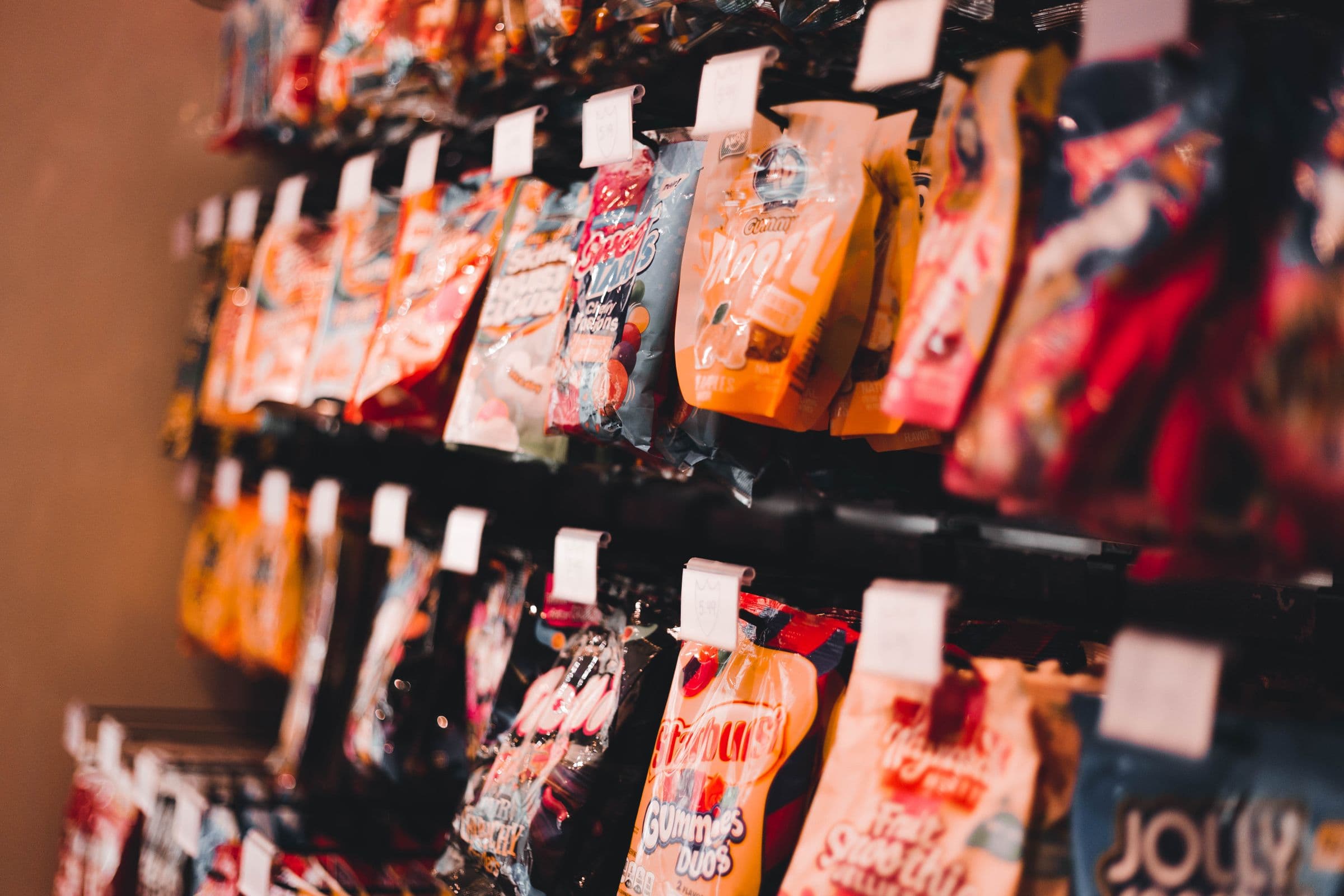 Confectionery
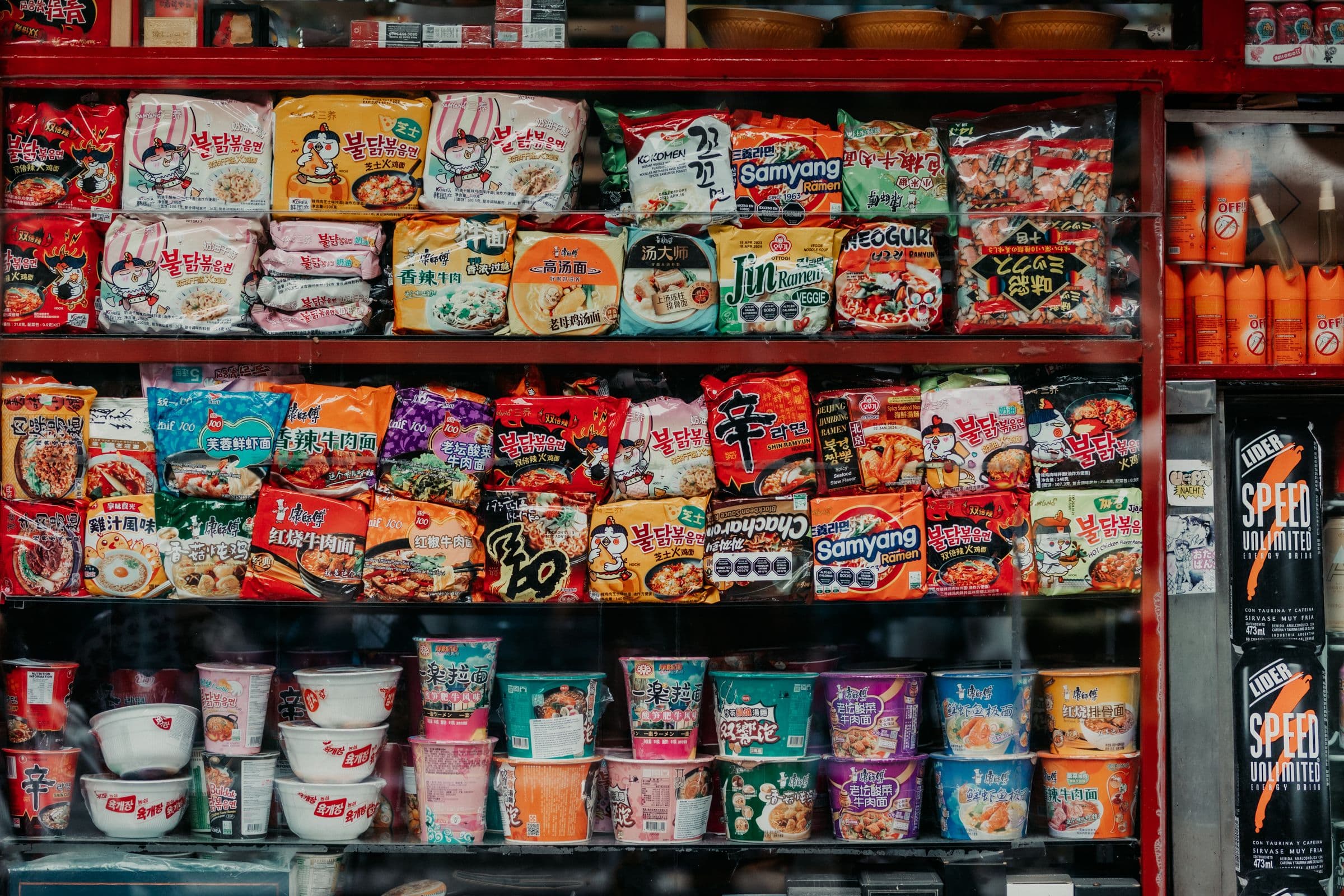 Food
Food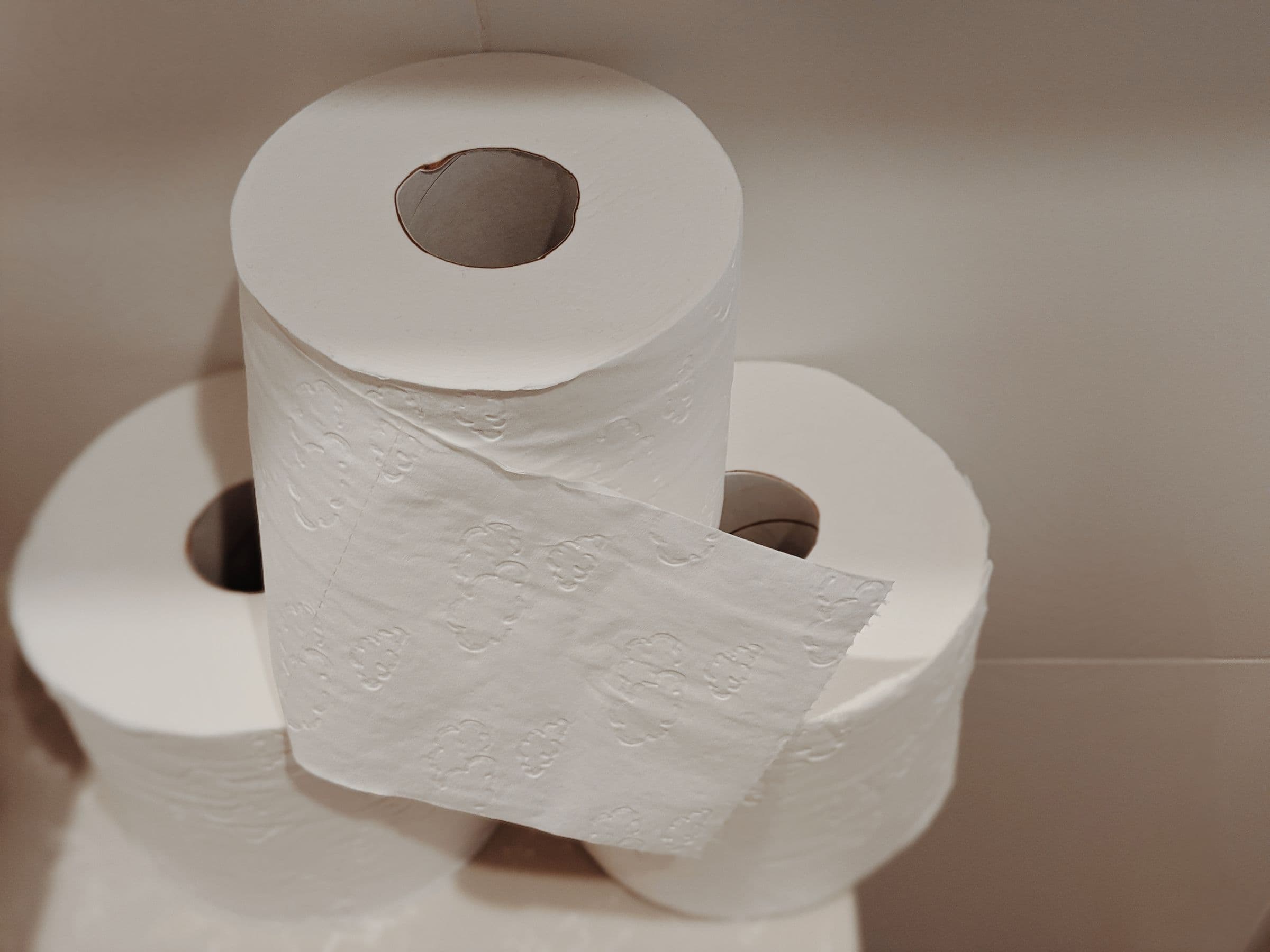 Paper & Tissue
Featured lines
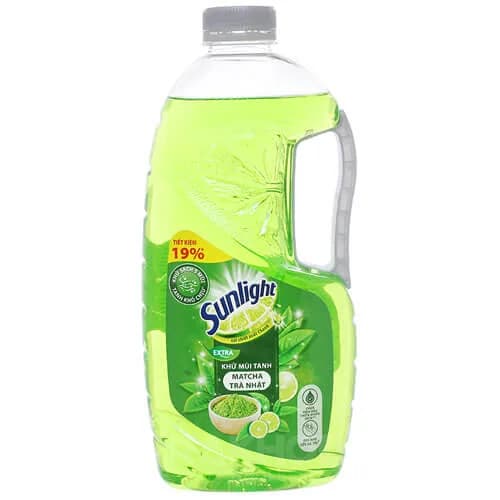
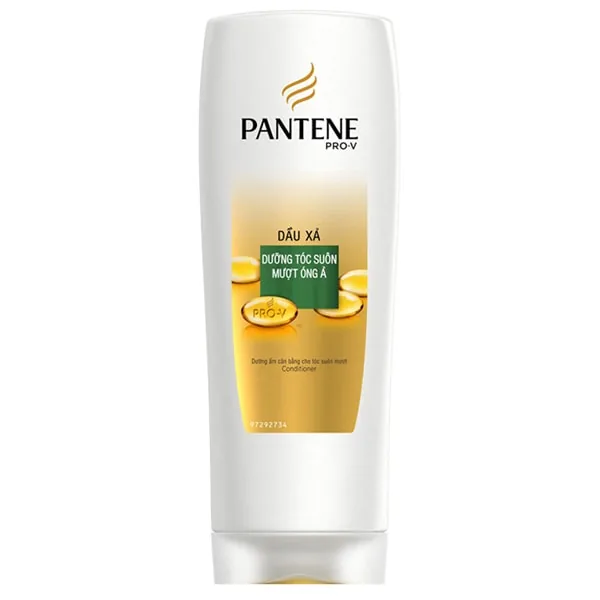
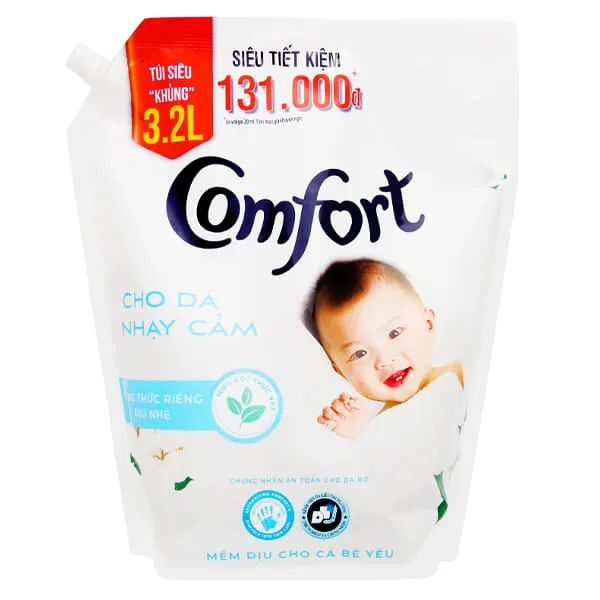
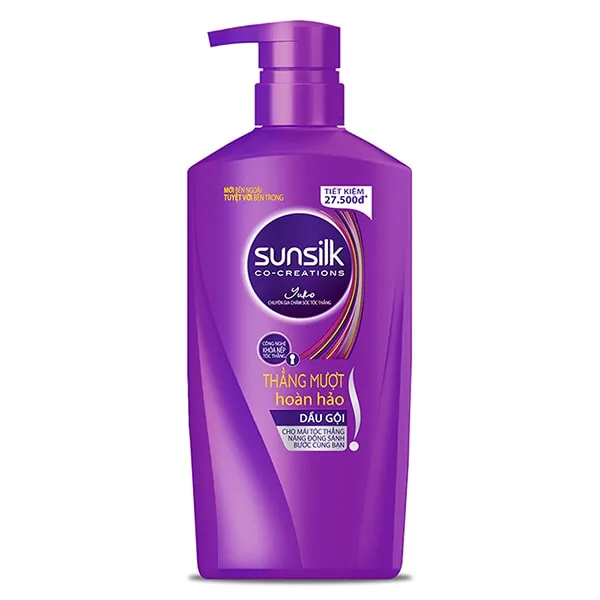
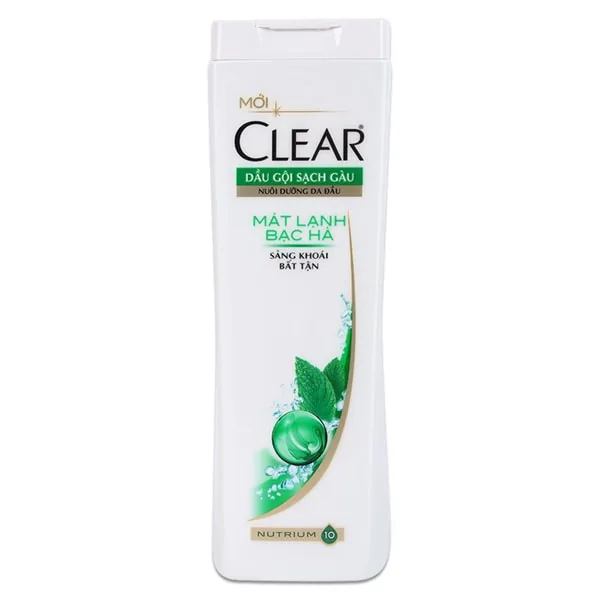
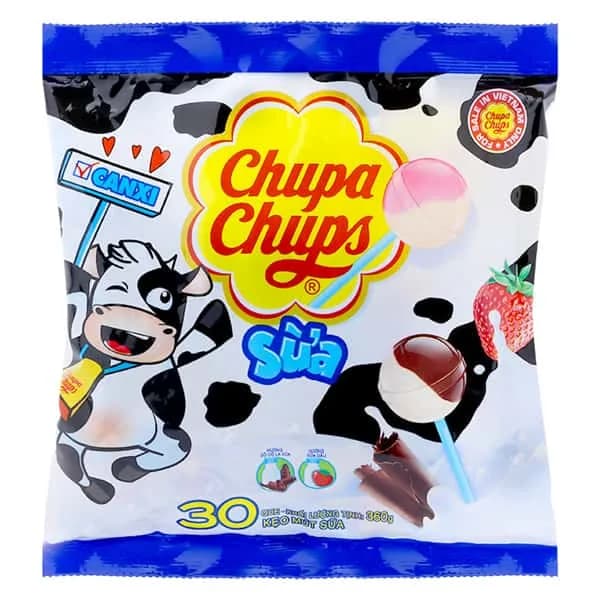
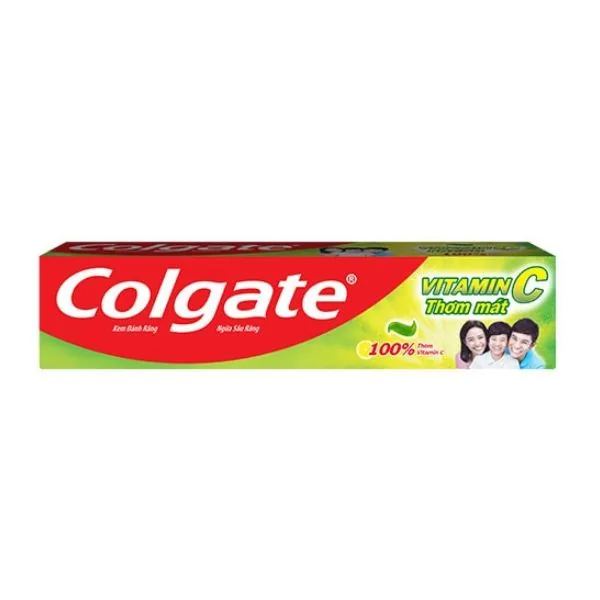
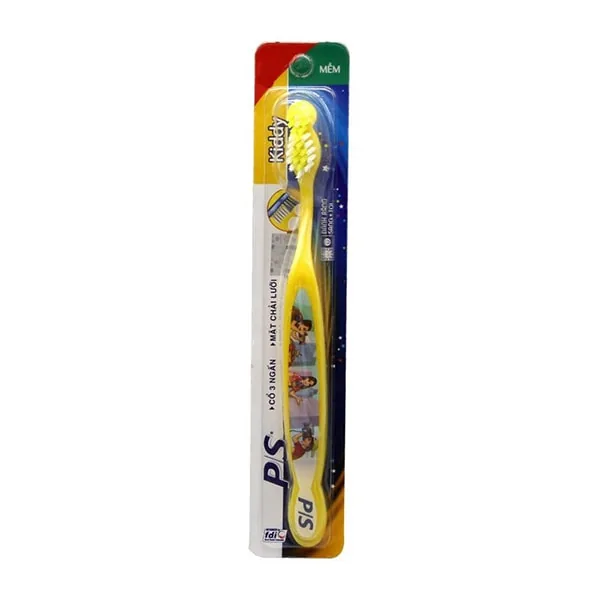
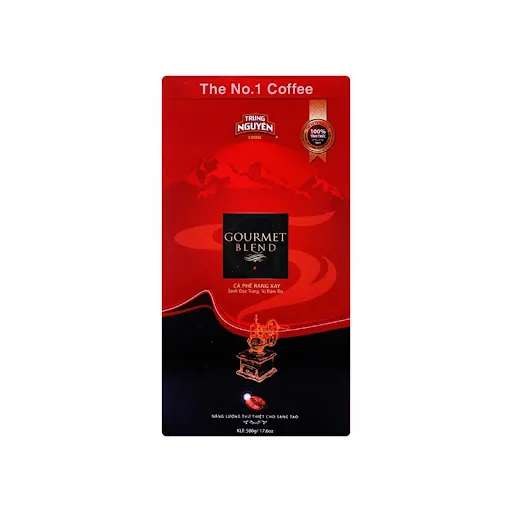
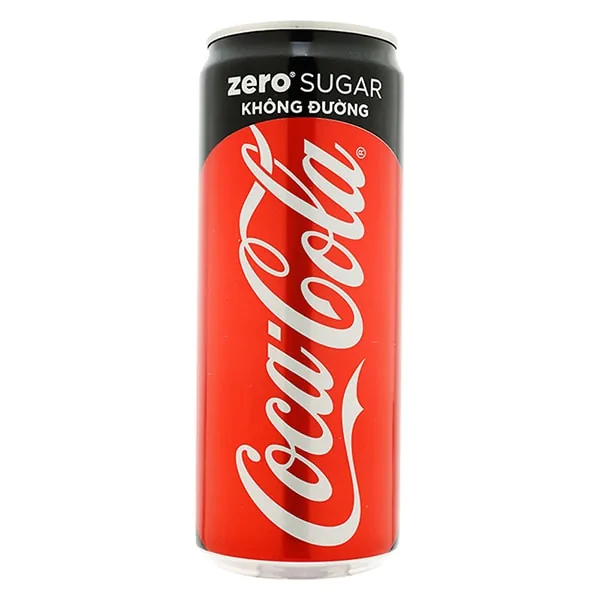
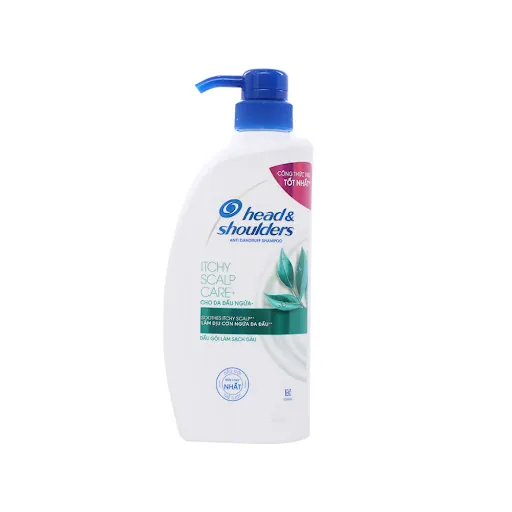
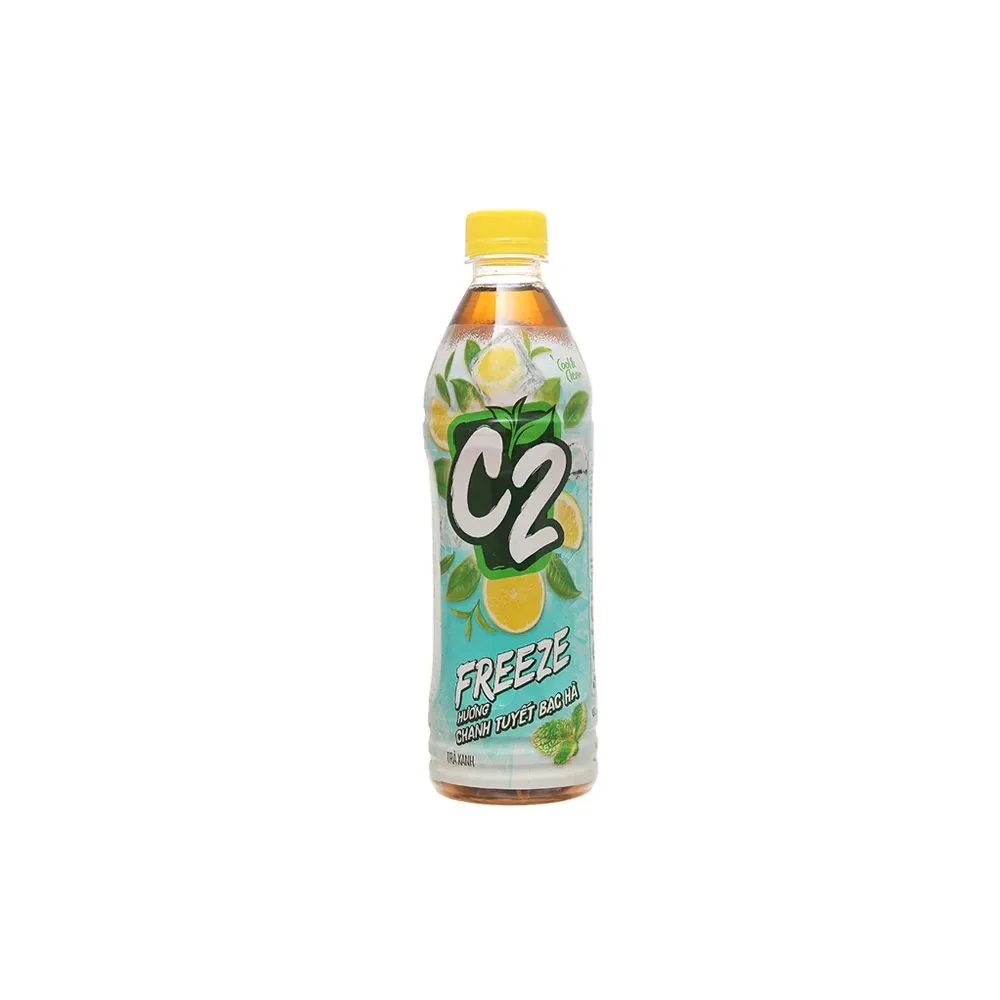
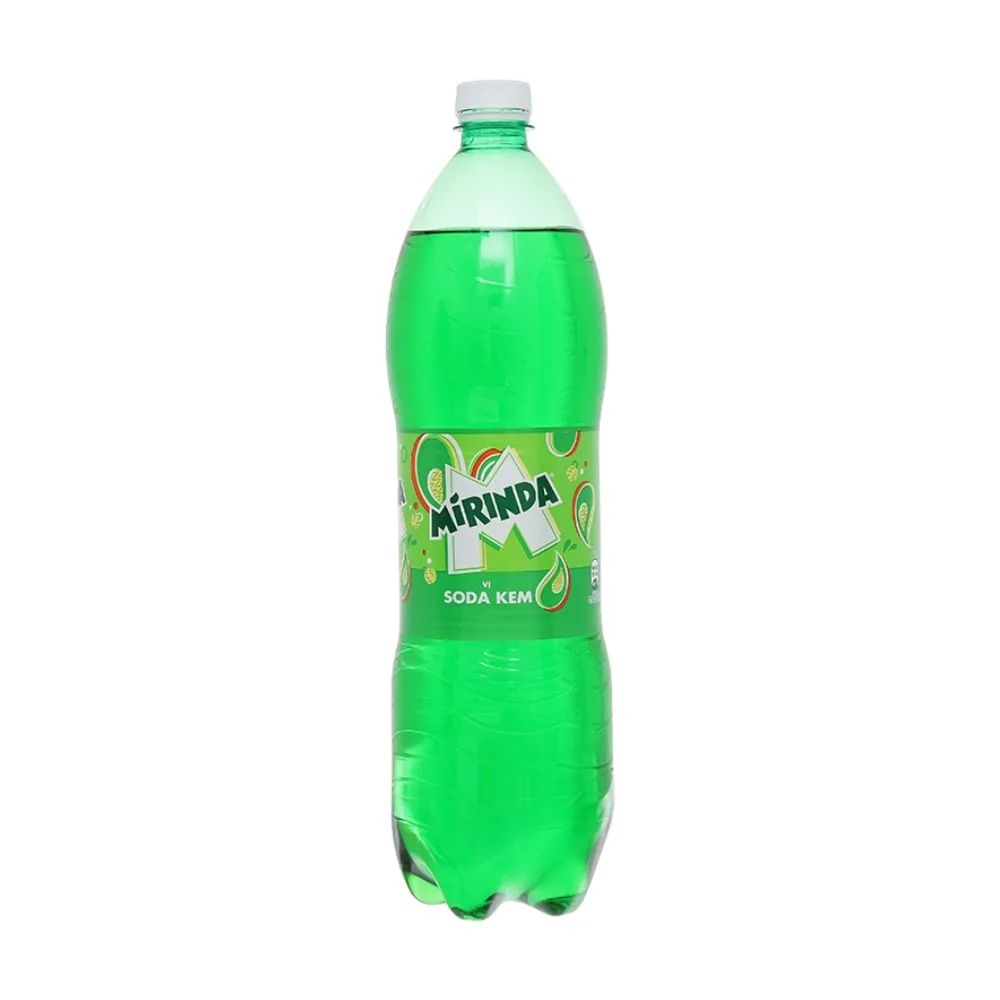
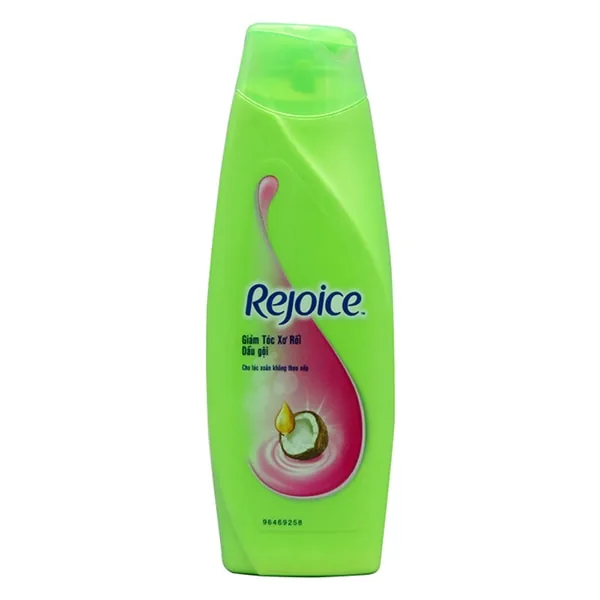
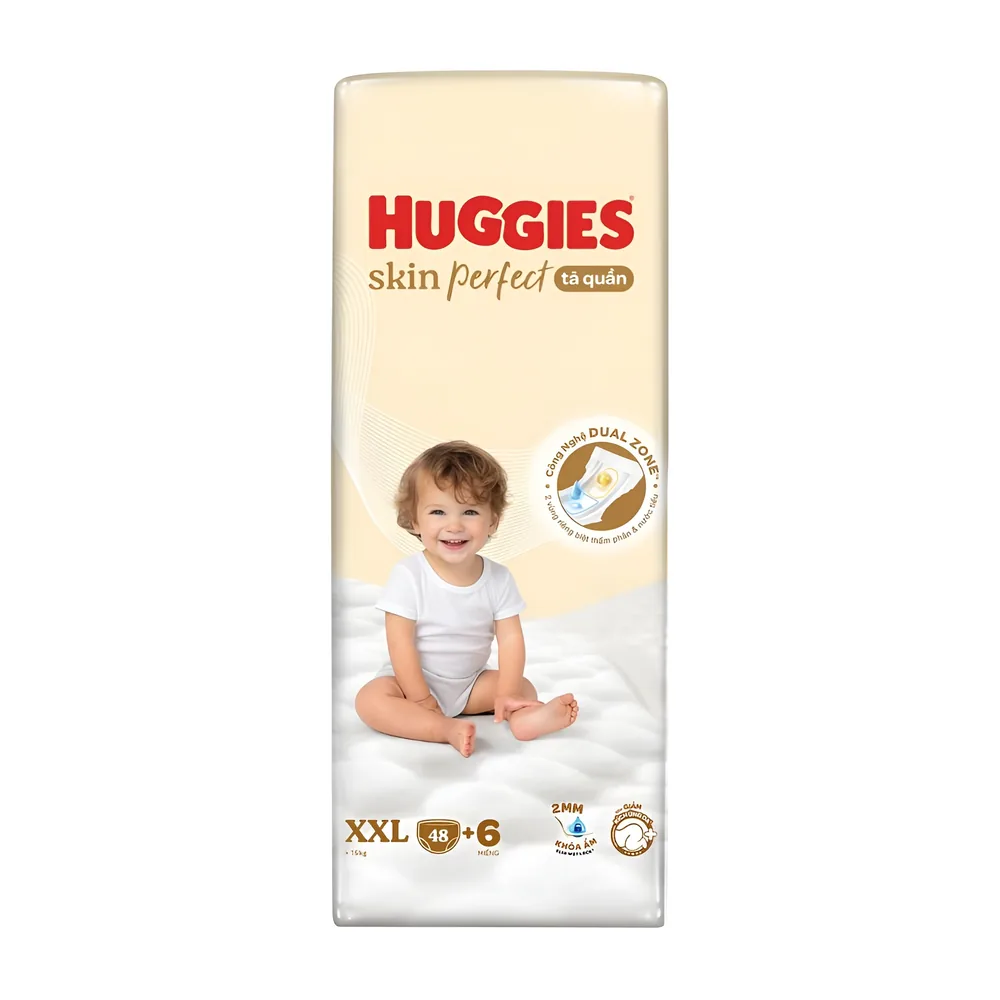
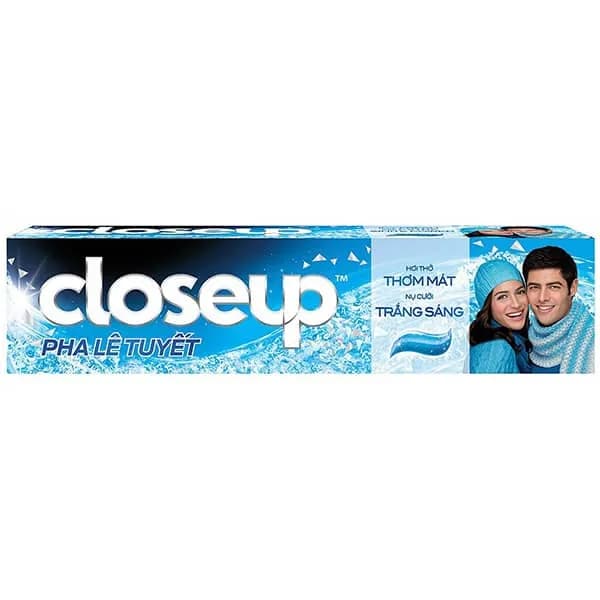
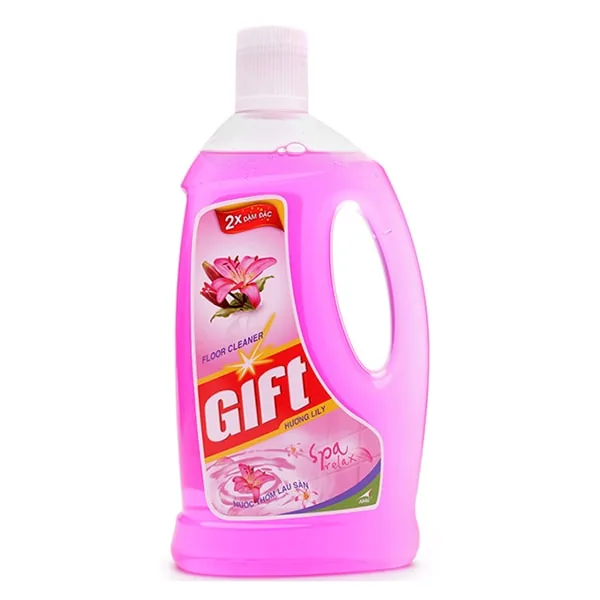
Brands we ship
Global and Vietnamese lines, manufactured in Vietnam and exported by the container. Open the index for pack sizes, carton figures and what is loaded against each name.
















Every mark shown is a trademark of its owner. VNFMCG is an independent exporter: we buy genuine goods made in Vietnam and consolidate them for shipment. The marks identify the goods we supply and nothing more.
Who we serve
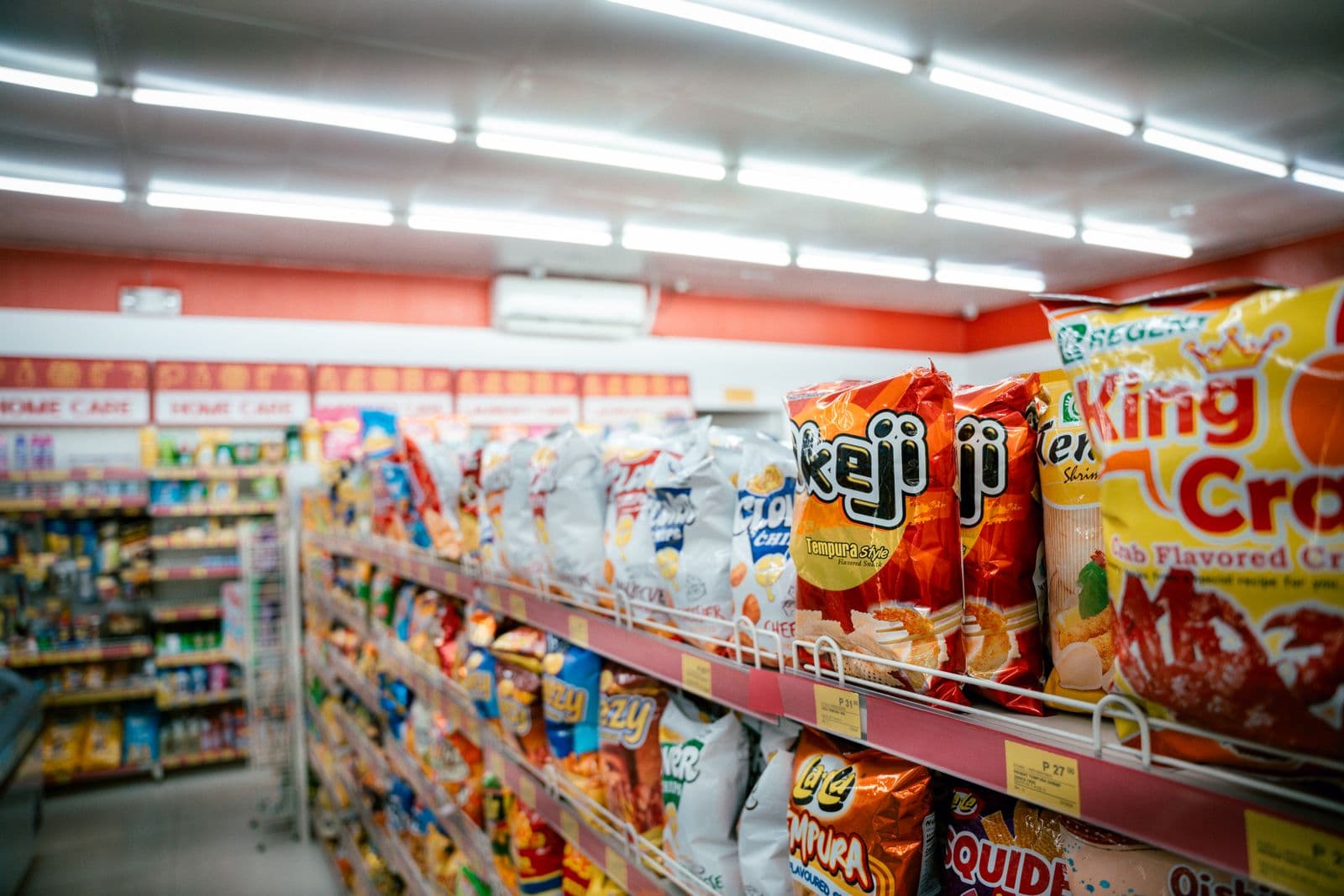
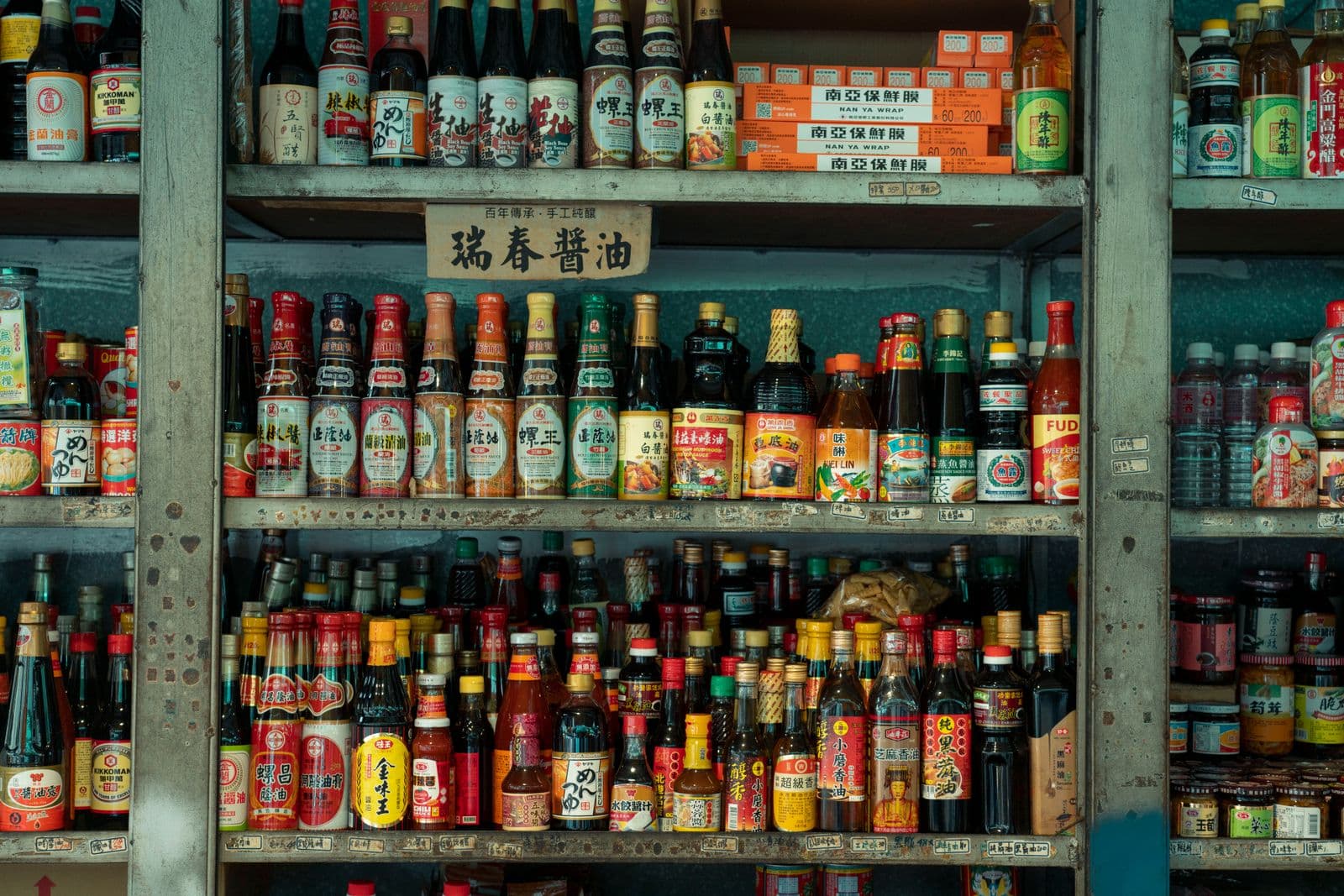
Who these containers go to once they leave Vietnam: importers and distributors, wholesalers and cash-and-carry, supermarket and convenience chains, and Asian and speciality grocery. A trade counter buys breadth across the aisles; a chain buys a short list deep and to a shelf date. That difference is what a load plan is built around.
 Importers & distributors
 Wholesalers & cash-and-carry
 Supermarket & convenience chains
 Asian & speciality grocery
Selling into a channel that is not on this list?
Tell the trade desk who you sell to next and what you are looking at. What comes back is what we can supply against it, the minimum order on each line, and the figures to cost a load from.
Talk to the trade desk →News & insights
Notes on buying channels, documents, shelf life and the rules a container has to satisfy at your end.
- Sourcing

Vietnam Cleaning Preparation Supplier: Export Trade Data
A commercial analysis of Vietnamese retail cleaning preparation exports under HS heading 340250, detailing unit values, customs discrepancies, and supplier verification practices.
Read insight → - Sourcing

Vietnam Vietnam Fabric Softener Supplier Export Data
A detailed sourcing breakdown of Vietnamese finishing agents and fabric softeners under HS 380991, examining export pricing, destination market dynamics, and customs classification gaps.
Read insight → - Sourcing
Vietnamese Instant Coffee Extract Exports: Market Analysis
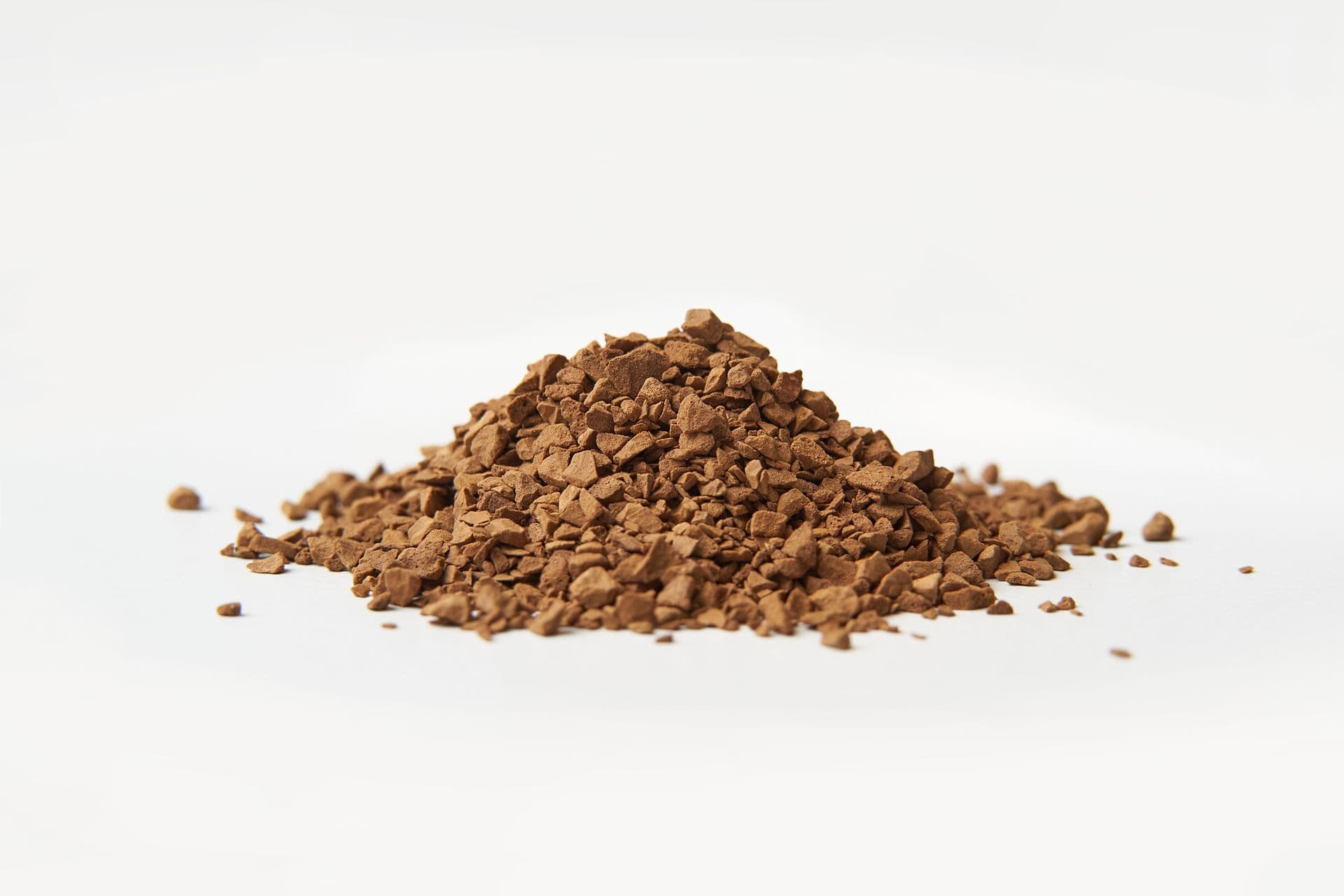
A professional analysis of Vietnamese instant coffee extract export data under HS 210111, detailing value expansion, unit price shifts, and destination market concentration.
Read insight → - Sourcing
Vietnamese Soy Sauce Fish Export Data and Sourcing Trends
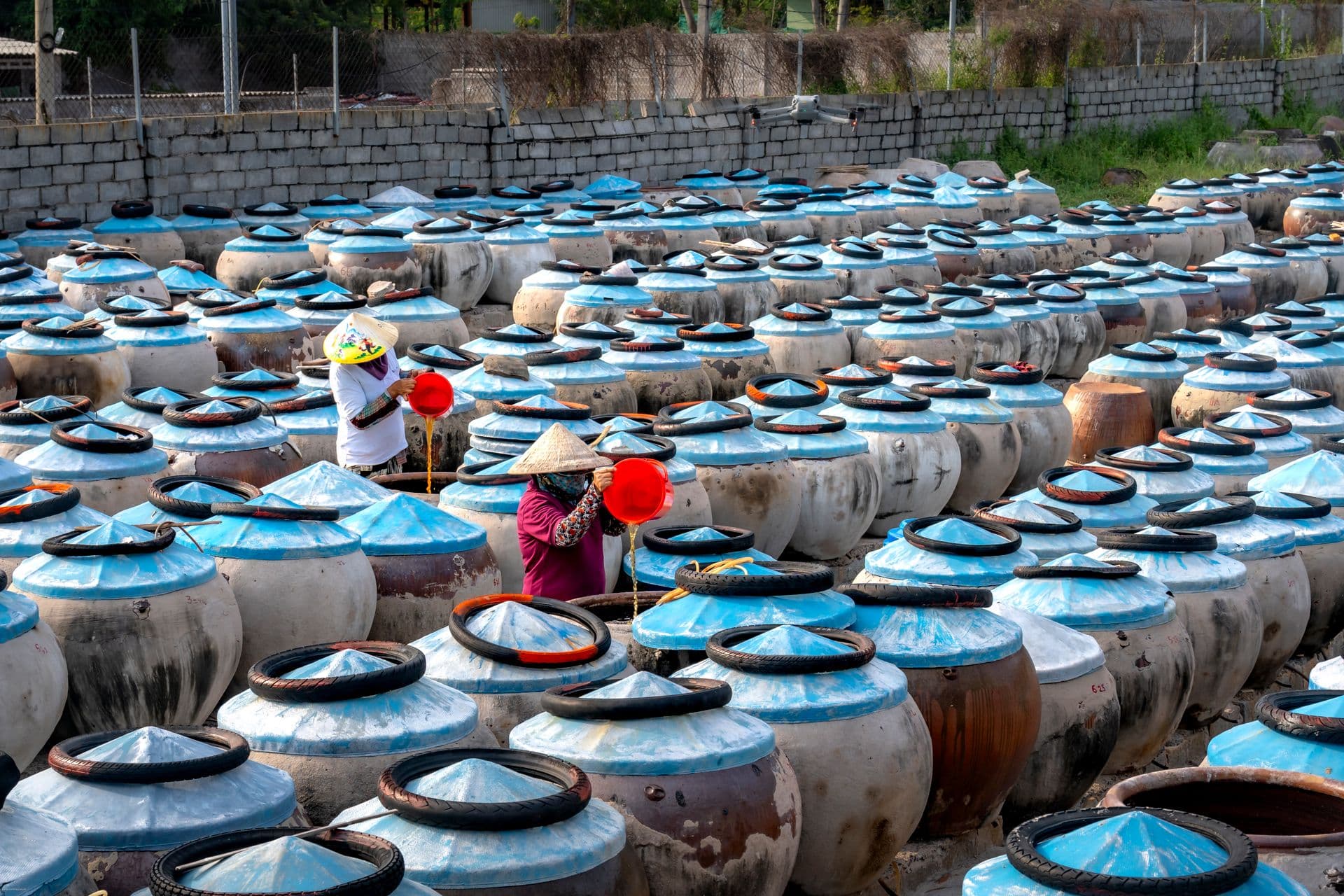
A detailed review of trade figures from 2019 through 2023 for Vietnamese exports under HS 210310, examining export volumes, unit values, destination market concentrations, and import mirror records.
Read insight →
Buying branded FMCG from Vietnam by the container
Energy drinks, sweets, instant noodles, toothpaste, laundry detergent and tissue are made in Vietnam by the companies whose brands are on the carton, in packs printed for the domestic trade. We buy them finished, by the carton, with a minority of lines made elsewhere in Asia, and build them into mixed 20ft and 40ft containers for importers, distributors, wholesalers and retail chains. Three things decide whether a first order works: whether you ordered the pack you meant or just the brand name, whether the goods and the paper still describe each other at your end, and what a tropical crossing does to a carton. Below is how each is settled, and what to ask any Vietnamese consolidator before you buy.
Read moreShow less
The SKU is the pack, not the brand
A brand is not something you can order. The same brand runs a can and a bottle, a single and a multipack, a sachet and a tub, and the label panel on each was printed for the market that pack was made for. Every one of them carries its own barcode, its own carton count and its own case dimensions, so two packs of one brand fill different space in a container and cost differently per container. That is why a line in the catalogue is a pack and an order names packs: the size, the multipack format and the panel, not the name on the front. If you do not know yet which pack your market takes, name the format that already sells there and the trade desk will match it to a pack code while the list is still open.
The paper that travels with a load
Four groups of paper leave Vietnam with a container. The commercial invoice and the transport document are what your bank and your broker act on. The packing list is itemised per SKU: carton count, batch codes and best-before dates on the line, so a short count shows up as a numbered line and not an argument. The certificate of origin certifies where the goods were made; lines made outside Vietnam cannot travel on a Vietnamese one. The fourth group follows your destination and the contents: halal certification, a detergent safety data sheet, a conformity certificate issued before the vessel sails, which cannot be got afterwards. Some of it is released by the manufacturer, not us. The documents page has that group in full; settle yours at the specification stage.
Weight, cube and the load plan
A container is bought twice over, once by weight and once by cube, and the load stops at whichever runs out first. A pallet of canned drinks reaches the weight limit with the roof still empty; a pallet of tissue reaches the roof at half the payload. Draw a whole load from one aisle and it sails either heavy and half empty or full and light; two aisles in one box is what pays for the freight. The load plan is settled before the booking, not at the warehouse door: which lines, how many cartons of each and how they palletise. Cartons per 20ft and per 40ft, cube and gross weight come from the trade desk against the lines you name, because no product page carries them yet. Take them as planning figures: what fits turns on the mix and the pallet configuration.
How ordering works
Anyone can read the catalogue without an account: what a line is, the pack it comes in, where it was made and, on the lines the desk has recorded them for, the customs heading and the minimum order quantity. No line carries a price, for anyone. A quotation is written against an order instead, because that is where the variables sit: the lines and the cartons of each, the packing, the weight and cube they take up, the incoterm and the sailing you work back from. What comes back names the origin document each line travels under and a date it expires, so it can be compared with another supplier's. Nothing is withheld; there is nothing general to write down. We check an account belongs to a trading business before a figure appears; the trade program page has the rest.
Availability and lead time
Three things decide whether a line can be loaded against the sailing you are working back from, and we schedule none of them: how much of it is held by whoever we buy that line from, what the brand owner has put on promotion, and when the plant last ran that pack. A line that filled a container on the last order can be short on the next one with nothing having gone wrong. It is also why no lead time is printed here: any figure would be an average of conditions that do not average, and you would book a vessel on it. If you buy to a fixed planogram, name the lines that must never go out of stock when you send your list, before the gap opens. The trade program page sets out what can be committed against a named sailing and what cannot.
Right brand, wrong licensee
A brand name is not a specification. Red Bull is manufactured in Vietnam, in Thailand and in Austria: three different products, with their own formulations, pack sizes, label panels and barcodes. Order the brand and you have not said which one you want; take delivery of the wrong one and your customer rejects it off the shelf while your customs authority rejects it at the border, with no fraud anywhere in the chain. Country of manufacture is declared per SKU instead of claimed across a catalogue. The cruder failures are refilled detergent bottles, counterfeit cartons and best-before codes ground off or overprinted: photograph a production code on a sample carton and ask that brand owner's office in your own market to confirm the plant and the date it encodes.
Water, heat and time
Three things work on a load between here and your port, none a fault in the goods. The first is water, out of the air in the box: on a long tropical crossing the interior reaches dew point, cartons soften and lose stacking strength and paper labels lift. Desiccant is the control, specified per shipment against the routing and the season and written into the offer. The second is heat: a dry box on a Gulf or Red Sea routing runs past 50°C, and coated confectionery blooms well below that, so heat-sensitive lines are flagged on those lanes before you order. The third is time. We commit to 75% of declared shelf life remaining at the bill of lading date; where your market measures on arrival, say so and that point is named in the offer: on a long lane the two do not agree.
What to ask any Vietnamese consolidator
Five questions sort a consolidator in this trade, and they work on a rival as well as on us. Which channel was each line bought through, and can you be shown the purchase invoice behind a carton, redacted or not: uninvoiced stock is cheaper and cannot be traced past whoever sold it. Do batch codes and best-before dates sit per SKU on the packing list, or as one summary line for the container: a summary leaves a short count unprovable at your end. What remaining shelf life is committed to, and is it measured leaving Vietnam or arriving with you. Is an inspector you nominate accepted on any order, at your cost. Which certificate of origin does your lane qualify for, and does it carry duty relief or none. Ask for the five in writing; ours are answered on the quality page.