About
A consolidator, not a brand owner
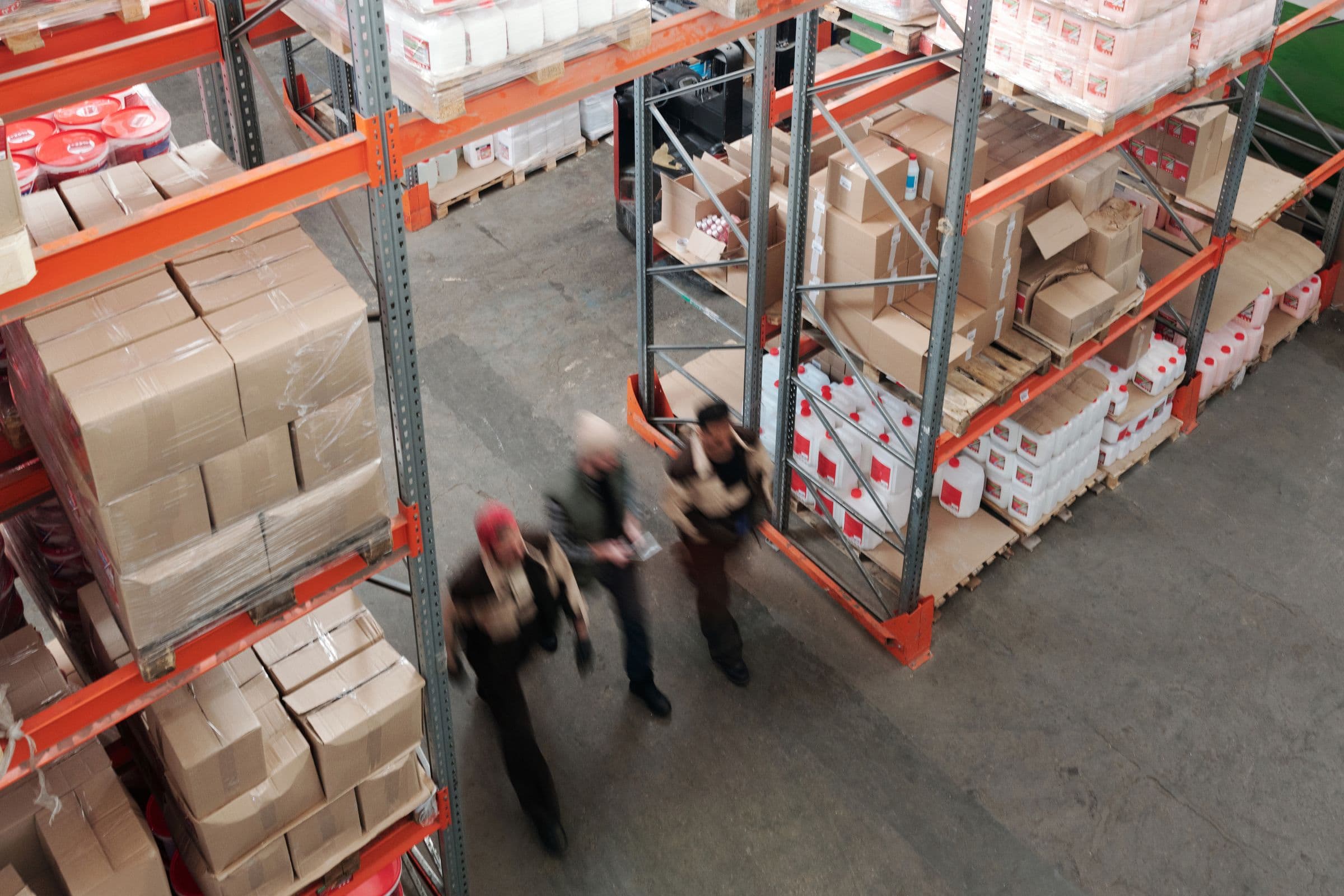
VNFMCG is an export consolidator in Vietnam. It buys branded, finished FMCG goods inside the country and builds them into mixed containers for export. It makes none of it and owns none of the brands in it.
What we do
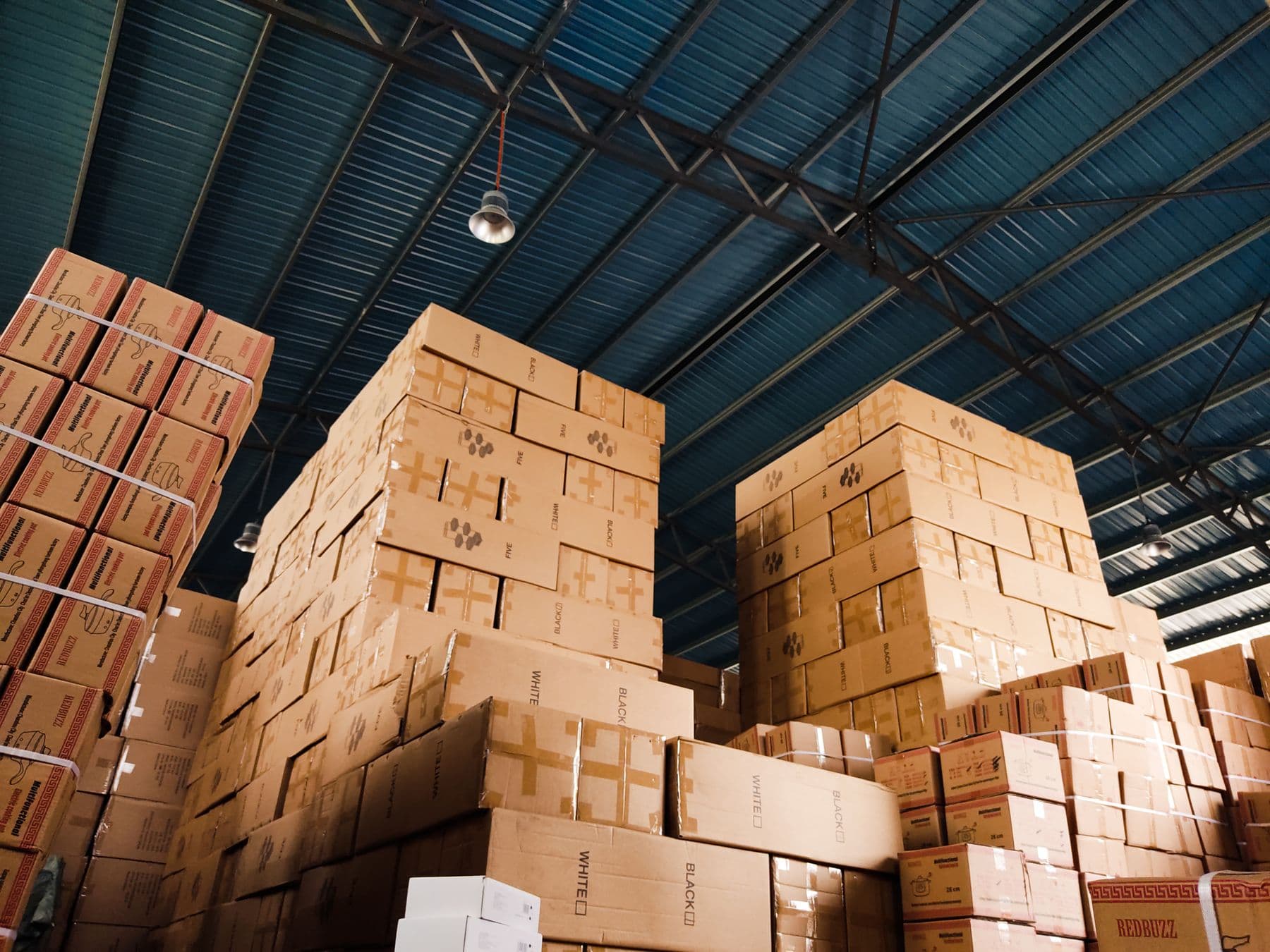
The catalogue runs across six aisles: beverages, confectionery, food, personal care, home care and paper and tissue, which between them carry energy drinks, biscuits, instant noodles, toothpaste, laundry detergent and tissue. Every line in it was made by or for the brand owner, bought by us as finished product inside Vietnam, and loaded into a 20ft or 40ft container for an importer, a distributor, a wholesaler or a retail chain overseas. Most loads are mixed rather than single line, because a buyer opening a market usually needs twenty lines in small quantities before it needs one line in volume.
One desk carries the whole of it: sourcing the lines from the domestic trade, packing and palletising them, printing and applying the destination labels, booking the vessel where the term is CFR or CIF, and clearing the goods for export in Vietnam. Export clearance is ours on FOB, CFR and CIF, and yours on ex works, which is the one term where the declaration is filed in your name. The import side does not move: the entry, the registration and any permit your market requires stay with the importer, and nothing here quietly takes them on.
Containers leave here for Asia, Africa, Europe, the South Pacific and the United States. That is a statement about which markets' labelling, documents and origin forms this desk has already had to work rather than a claim to cover every country inside those five, and it is why the answer to which of them Vietnam holds a trade agreement with, and which it does not, comes before you book rather than after.
Thirty to forty containers a month is what the buying desk, the warehouse floor and the loading schedule carry between them. Read it as capacity rather than as a claim about volume already shipped: what it tells you is that a first container is not queued behind somebody else's programme, and that repeat monthly volume is a scheduling question for the desk rather than a ceiling to plan around. Whether a particular sailing has room is still answered against that sailing.
We do not manufacture, we do not formulate and we do not own a brand. Our responsibility starts when a carton is bought and runs to the container we sealed: the quality page describes what happens in between, and what we still answer for if something is wrong at your end.
Where the goods come from
Two buying routes, decided per line rather than set as a policy:
- 01
Under our own appointment, or from the brand owner's appointee
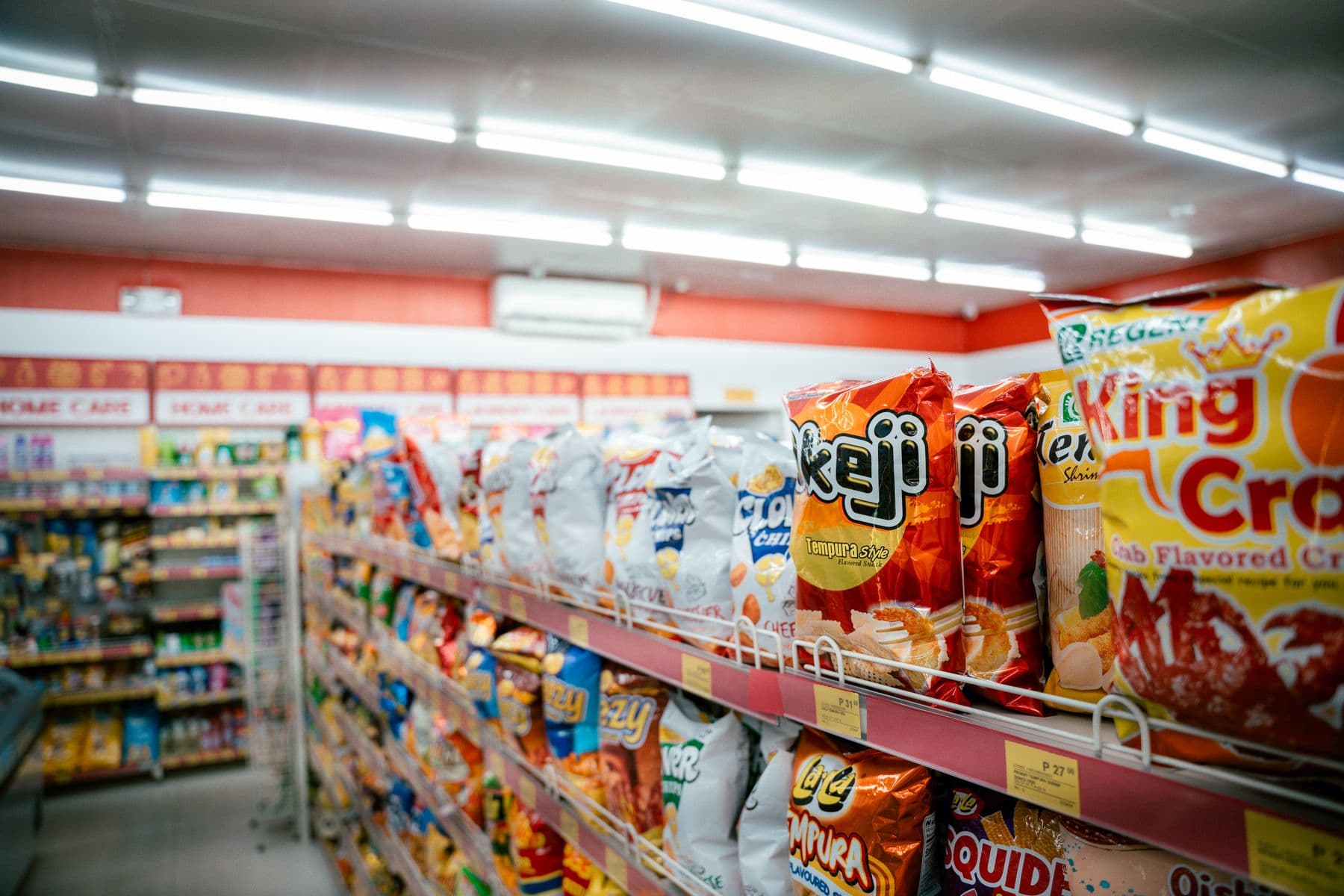
The main route. For part of the catalogue we buy under an appointment held from the brand owner; for the rest, and it is the larger part, we buy from the distributors a brand owner has appointed for the Vietnamese domestic trade, on that trade's terms.
- 02
Licensed importers, for lines not made in Vietnam
A minority of catalogue lines are manufactured elsewhere, in Korea, Thailand or the Philippines. They reach us through licensed Vietnamese importers, and each SKU carries the country it was made in on its own product page rather than a blanket claim of Vietnamese origin across the catalogue.
Every carton we buy is bought on a Vietnamese VAT invoice, issued by a registered domestic supplier under its own tax code and reported electronically to the tax authority. That is why we do not price against the uninvoiced trade: an invoiced carton has a named seller and a tax record behind it that your auditor and your broker can follow, and an uninvoiced one has a price and nothing else.
The purchase invoice behind any line you are quoting can be shown to you with the seller's identity and the figures redacted, together with confirmation of the route the goods came by. Where you need more than that, an inspector you nominate can be given it unredacted under a confidentiality undertaking, subject to that supplier agreeing to be named, and reports on whether the chain holds rather than on what we paid; we tell you before you order whether that consent is available for a given line. What we do not do is publish supplier names, because naming a supply line is how it gets closed, and the first thing you lose when that happens is continuity of supply.
Building a mixed container
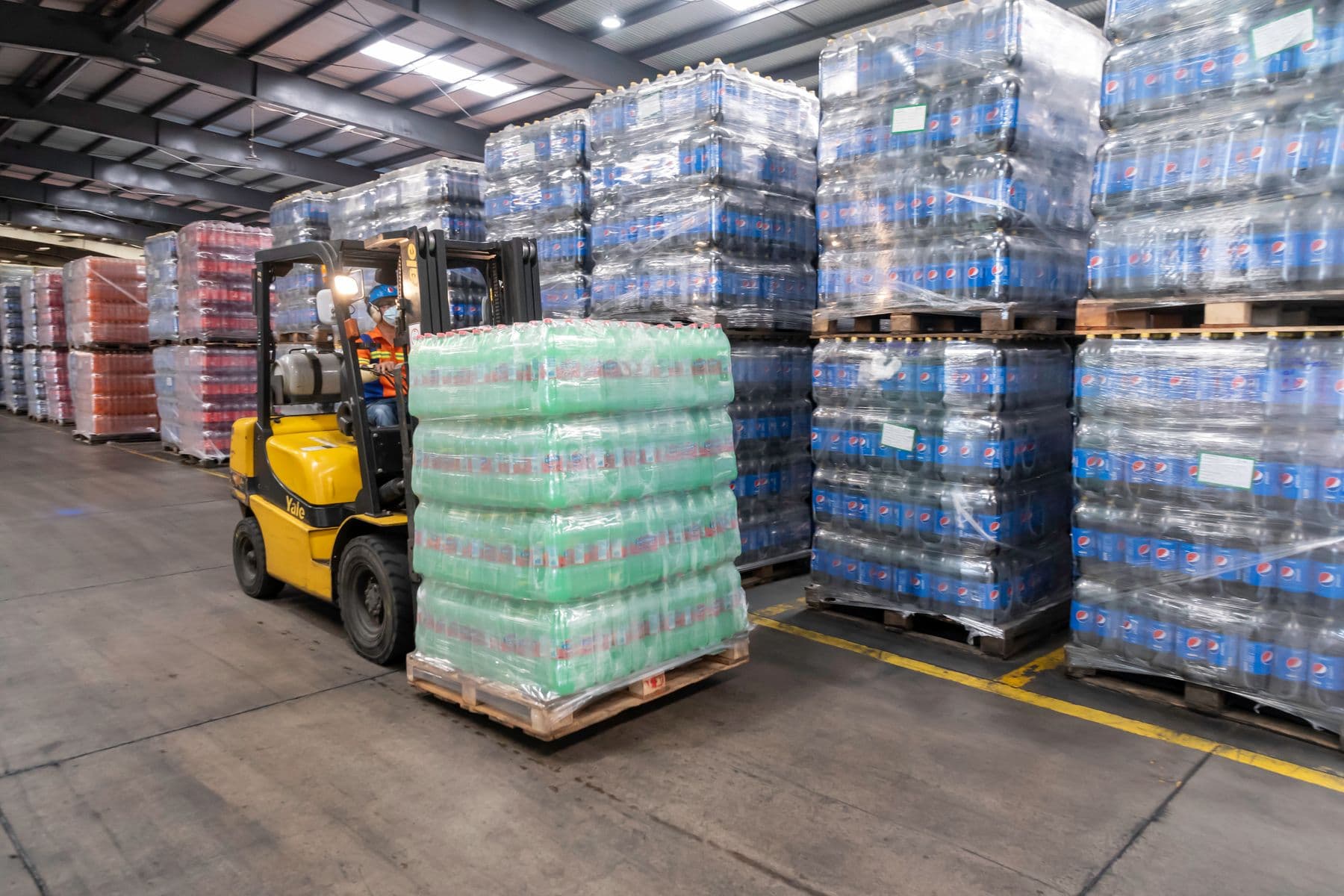
A container has two limits, weight and cube, and a single-category load rarely reaches them together. A load of drinks and detergent is heavy long before it is full; a load of biscuits and tissue is full long before it is heavy. Putting the two on one bill of lading is the whole of what consolidation is, and it is why a load is quoted as a container rather than as a price list per line. The sustainability page works the same arithmetic through in cubic metres and tonnes.
A full container is not the minimum. Part loads and LCL are consolidated as well, so a buyer testing twenty lines in small quantities gets a groupage booking rather than being told to fill a box first. What limits a small load is the minimum order sitting on each line rather than the container, and the desk gives you both figures against the lines you name.
A load plan is agreed before the booking: which lines, how many cartons of each, how they palletise and what the total weight comes to. One container then travels as one shipment, with one commercial invoice, one packing list, one bill of lading and one arrival, however many lines are on it. The exception is the certificate of origin: lines not made in Vietnam cannot travel on a Vietnamese certificate, and the quality page sets out what they travel under instead. Certificates your market issues per product or per manufacturer still follow that market's rules rather than the container.
Cartons per 20ft and per 40ft, cube and gross weight come from the desk against the lines you name. Treat them as planning figures rather than guarantees: what actually fits depends on the mix, the pallet configuration and which limit you reach first, and the final load plan governs.
What else we do
Three services sit alongside the branded goods. The first two are quoted separately from the goods; the third is booked and paid for by you.
- 01
Destination-market relabelling
We apply the labels your market requires, printed from a file you have signed off, before the cartons are loaded. Whether that file is correct under your market's labelling law stays with you: we print what you approve, and we cannot tell you whether your regulator will accept it.
- 02
Private label and OEM
Buyer-branded goods produced by Vietnamese manufacturers, run as a separate business from the branded trade. On a private label line you become the brand owner, and the registration, labelling and product liability come with it.
- 03
Third-party inspection
Pre-shipment inspection and container loading checks by a third party, booked and paid for by you, including an inspector you nominate. What is ours is the access: the goods, the documents and the loading floor are open to them before the doors close. The quality page sets out what such a check normally covers.
What we carry
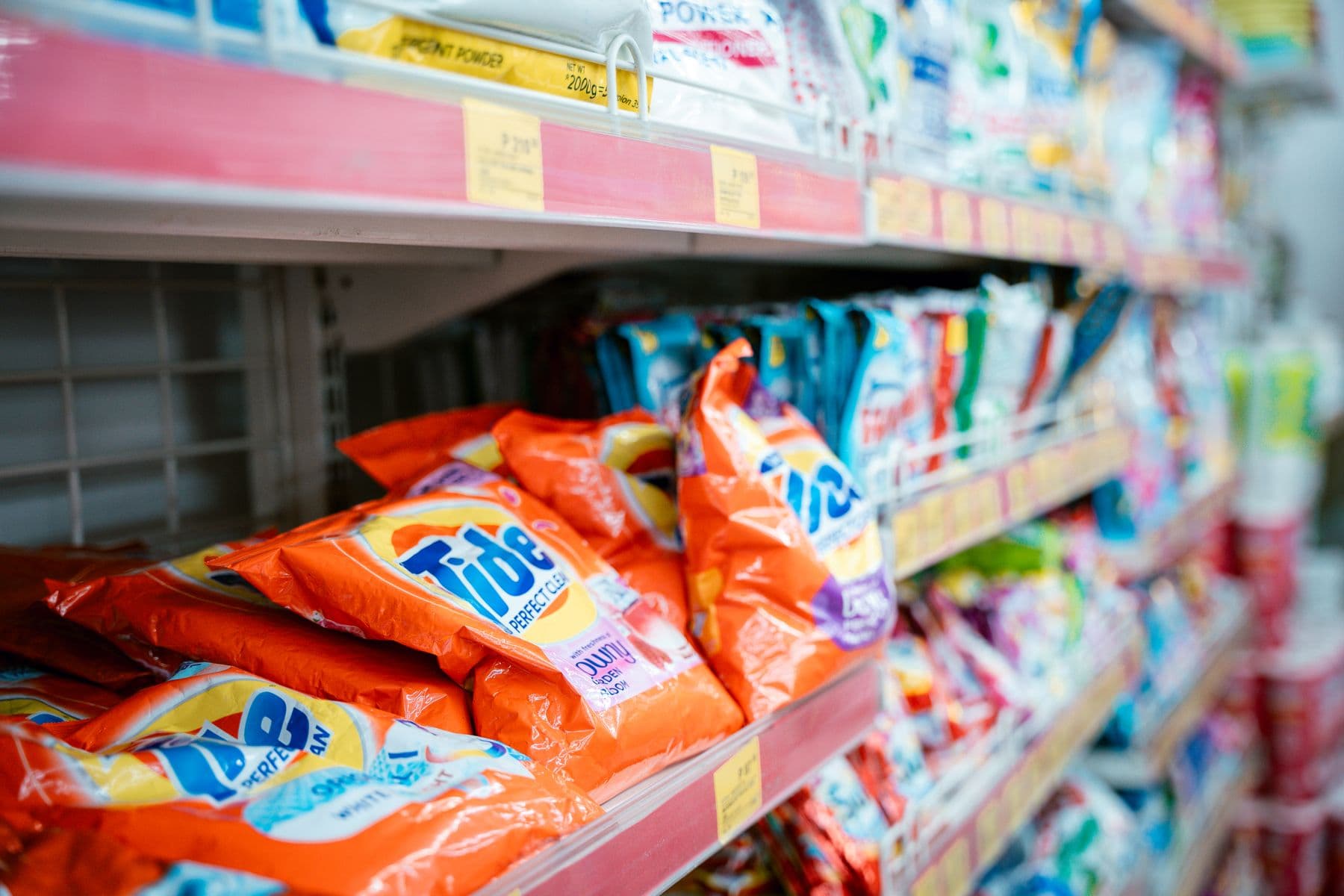
The catalogue is open to read without an account. Prices are not. Pack size, SKU, HS code, minimum order quantity and declared country of manufacture sit on the lines the desk has recorded them for, and the desk gives cartons per 20ft and per 40ft, cube and gross weight against the lines you are costing.
- 517
- branded lines
- 5260
- SKUs, each with its own packing
- 6
- categories, from beverages to tissue
The brand names on this site
The brands named on this site belong to their owners, and we trade finished goods those owners made. Brand names and product photographs appear here to identify the goods on offer and for no other purpose. We use no brand owner's mark as our own, we are not their agent or their representative, and where a rights holder asks us to take an image down we take it down.
Brand owners appoint distributors market by market, and some of those appointments are exclusive. An appointment to distribute inside Vietnam is not a permission to sell into your market, and nothing we sell carries one. Before you order a line we tell you what we know about that brand's position in your market, which is often nothing, and we say so rather than guess; where we do know a brand owner has appointed someone there, we decline the line rather than ship it quietly. The quality page sets out where trade mark exhaustion turns this into a border problem.
What we do not do
Four limits, on the page rather than left for your qualification to find:
- 01
We do not manufacture
Because the goods are made by or for their brand owners, we cannot change a formulation, a pack size or the artwork on a branded line. We cannot commit a factory to a production date either.
- 02
We are appointed on part of the catalogue and buy the rest from the appointee
We hold an appointment from the brand owner for part of the catalogue and not for the rest, where we are the appointed distributor's customer rather than the appointee. Where the appointment on a line is ours, we show it to you in writing under a mutual NDA before you order it; where it is not, there is nothing of ours to show, and what we confirm in writing instead is that the line was bought from that brand owner's appointed distributor, on a VAT invoice. We do not publish which brands sit on which side, for the same reason we do not publish which suppliers: naming them is how a supply line gets closed.
- 03
We cannot register a product in your market
Product registration is held by the importer and has to be filed by you or your agent. We can supply samples, the artwork as it is printed on the pack, and the commercial and shipping documents for the consignment; a manufacturer's letter of authorisation or a certificate of free sale is issued against the manufacturer rather than against us, so obtaining one depends on the brand owner agreeing to release it, and that is not an agreement we can promise you.
- 04
We do not sell retail, and we do not distribute in your market
We do not sell retail quantities and we do not sell to consumers. We do not operate in your market as a distributor either: the selling there is yours.
A supplier that states its limits is faster to qualify than one that is silent. All four of these would come out in your qualification anyway, and having them here means you can price them in, or rule us out, before either of us has spent a week.
Working with us
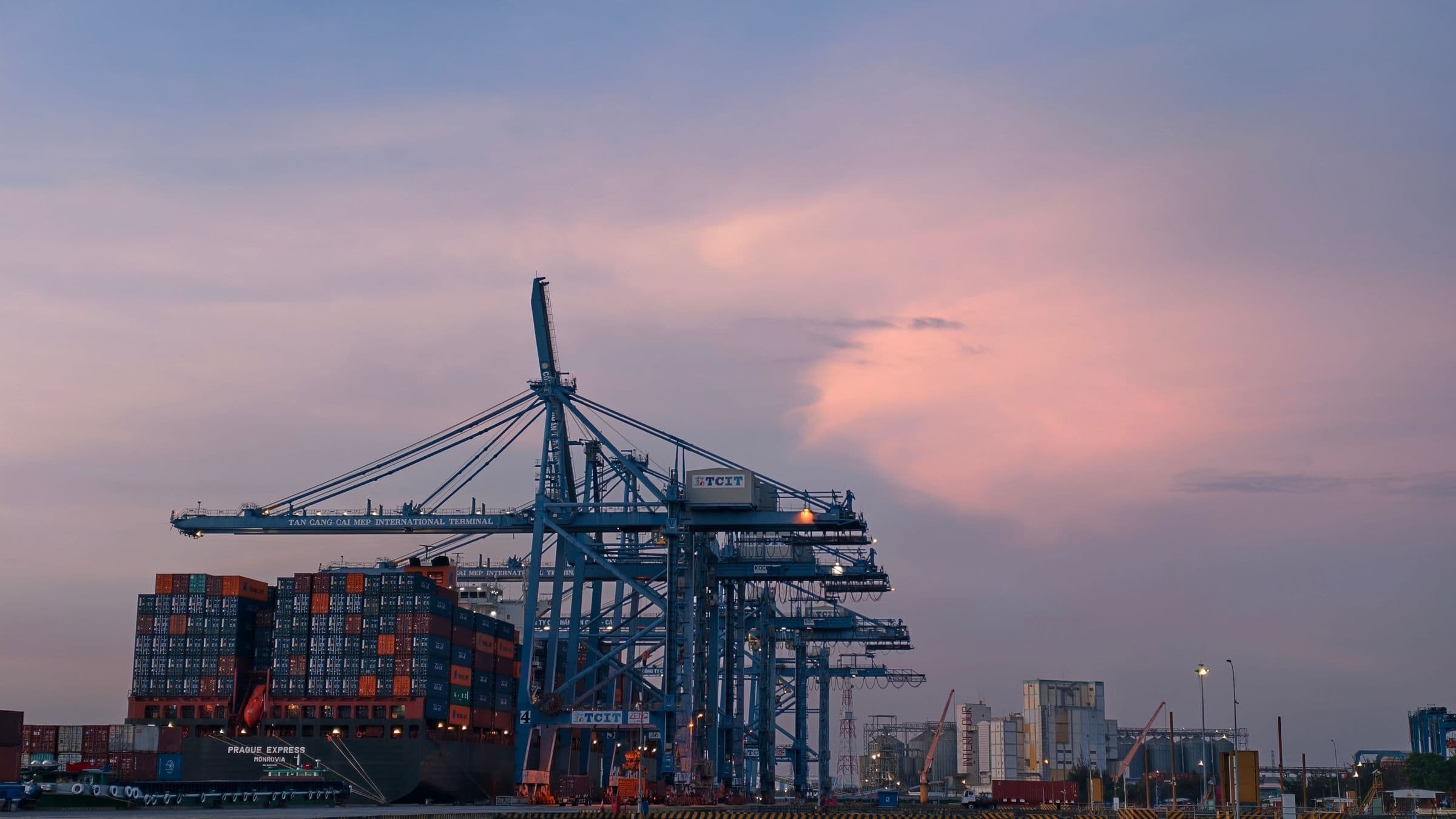
We sell to businesses, against a verified trade account, with no exception for a small first order. Prices are quoted against an order rather than published: what we quote turns on the lines you take, the volume, the packing, the incoterm and the shipping window, and none of those are known until you tell us. The trade program page sets out what an account opens and how one is approved.
Trade program →